What is tire shine, and what does it do for your tires?
Tire shine is a dressing applied to tire sidewalls to give them a darker, glossier, or satin finish; it mainly changes appearance, while some formulas also add UV resistance and easier cleaning. Used badly, it can sling onto paint, look greasy, or hide cracking that needs attention. This guide explains what tire shine is, what it actually does, and how tire condition changes the result.
What is tire shine?
Tire shine is a sidewall finish product, not a repair product. It darkens the rubber surface and leaves a controlled finish that can range from low sheen to high gloss. Most formulas are sold as sprays, gels, foams, or aerosols, and many use silicone or solvent-based carriers to help the coating spread across the tire sidewall.
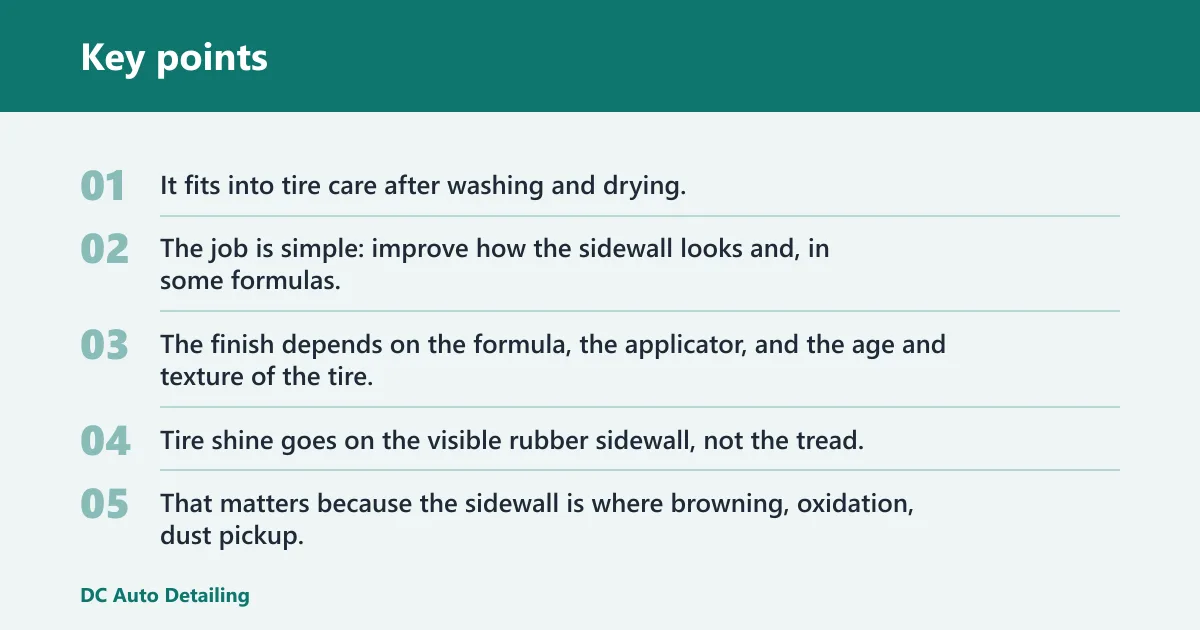
It fits into tire care after washing and drying. The job is simple: improve how the sidewall looks and, in some formulas, leave a thin layer that slows UV-related fading and makes future cleaning easier. The finish depends on the formula, the applicator, and the age and texture of the tire.
Where tire shine fits in tire care
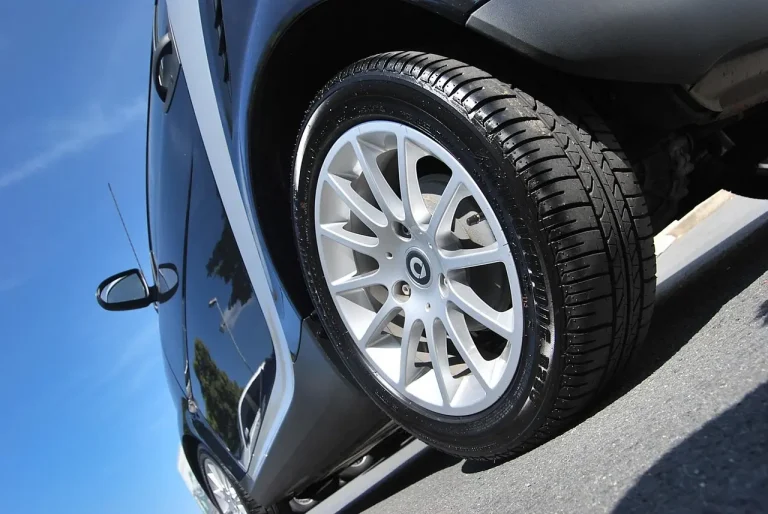
Tire shine goes on the visible rubber sidewall, not the tread. That matters because the sidewall is where browning, oxidation, dust pickup, and uneven fading show up first. A clean sidewall makes the finish look more even, while a dirty one can turn glossy in patches and dull in others.
What does tire shine do for tires?
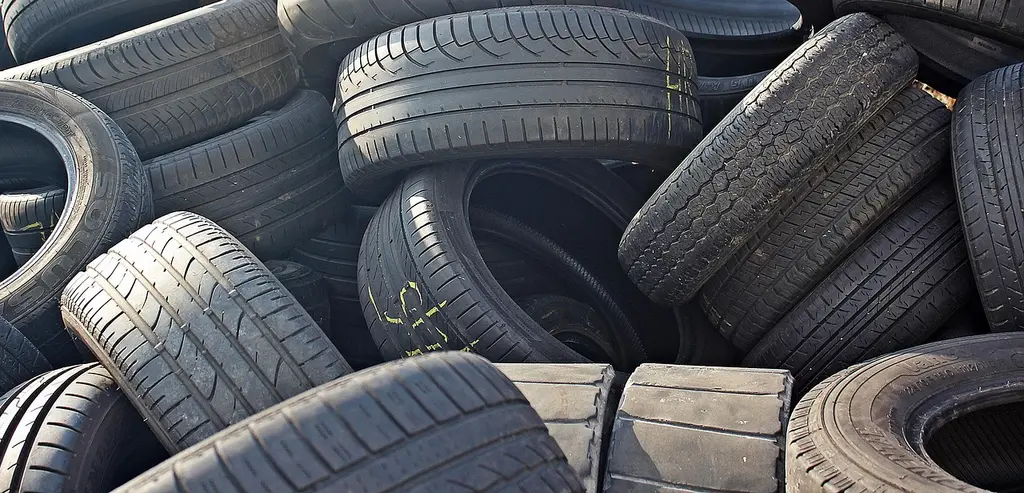
Tire shine darkens the sidewall, changes the amount of visible gloss, and can make the tire look cleaner after a wash. It does not fix cracking, dry rot, missing rubber, or structural wear. On a newer tire, the effect is usually uniform; on an older tire, the same product can absorb unevenly and look blotchy.
Blackening and gloss level
Different formulas produce different finishes. Some leave a satin finish with low reflection. Others create a wet, high-shine finish that reads much glossier under direct light. If the tire is textured, the gloss may collect in low spots and leave the raised areas less even, especially if too much product is used.
What it changes on the sidewall
Tire shine changes surface appearance. It can make faded black rubber look deeper in color and can reduce the dusty, gray look that comes from road film and oxidation. On older sidewalls, it may also make texture more obvious, because worn rubber absorbs product differently across the surface.
What it does not fix
Tire shine does not restore rubber thickness, seal sidewall damage, or reverse cracking. If the sidewall shows checking, splits, or exposed cords, a shine product should not be treated as protection or repair. It may briefly hide some discoloration, but it does not solve the underlying condition.
Tire dressing vs tire shine
Tire dressing is the broader category. Tire shine is one type of dressing. Dressing products can be water-based or solvent-based, and they can leave matte, satin, or glossy results. Tire shine usually implies a more visible finish, while dressing includes products used for cleanup, darkening, and varying levels of protection.
Matte, satin, and glossy finishes
Matte dressings leave very little reflection and usually look closest to a clean, natural sidewall. Satin products add a bit more depth without a wet look. Glossy products reflect more light and are often chosen when the goal is a fresh-detailed appearance. The same tire can look very different depending on how much product stays on the surface.
Water-based versus solvent-based formulas
Water-based dressings often dry to a less greasy finish and are easier to control on textured sidewalls. Solvent-based formulas can spread quickly and sometimes last longer, but they may also be more likely to sling if overapplied. Many products blend carriers, silicones, and additives in different ratios, so the label matters.
Tire sidewall finish decision table
| Sidewall condition | Expected finish | Best product type | Likely durability | Common mistake to avoid |
|---|---|---|---|---|
| New tire | Even satin to medium gloss | Water-based dressing or light spray | About 1 to 2 weeks on daily use | Using a heavy gel that looks greasy |
| Lightly faded tire | Deeper black with controlled sheen | Spray or foam dressing, then even wipe | About 1 week to 3 weeks | Skipping cleaning and trapping road film |
| Heavily browned tire | Patchy at first, then darker after prep | Cleaner first, then a stronger dressing | Shorter until the browning is corrected | Applying shine over oxidation and expecting a uniform finish |
| Textured or off-road tire | Low to medium sheen, less uniform | Matte or satin dressing with foam pad | About 1 week to 2 weeks | Overapplying and filling the texture with product |
Does tire shine protect tires?
Some tire shine formulas claim UV protection and browning resistance, and those claims usually mean the product may help slow surface fading and drying. That is a limited benefit, not a substitute for tire care or inspection. Protection varies widely by formula, and the visible finish is still the main function.
UV claims and what they usually mean
UV protection in a dressing usually means the formula is designed to reduce premature fading from sunlight exposure. It does not make the tire immune to aging. A product may help the sidewall look better for longer, but the strength of that benefit depends on how the formula is built and how often the tire is washed.
Browning and drying resistance
Browning comes from oxidation, road contamination, and surface residue. A dressing can help the tire look darker and may slow new browning if it leaves a stable layer on the rubber. On an older tire, though, the finish can wear off quickly or soak in unevenly, which leaves the brown color visible again.
Picture a commuter sedan with two-year-old all-season tires and heavy brake dust around the wheel wells. A satin dressing on a clean sidewall may hold a tidy look through several rain-free drives, but the same tire can start to look dull again after a few washes if the formula is light.
How long does tire shine last?
On daily-driven tires, many products tend to last about 1 to 3 weeks, with some lasting less and some longer depending on formula, weather, and washing habits. A water-based finish usually fades sooner than a heavier solvent-based dressing. Rain, strong detergent, and repeated scrubbing shorten the life of almost any sidewall finish.
Daily driver wear and wash frequency
If the vehicle is driven every day, the tire sees heat, water, dust, and road film. That means the finish wears from both the outside and the inside of the wheel area. Frequent washing with strong cleaners can strip the dressing faster, while gentle maintenance can stretch the interval between reapplications.
When to reapply
Reapply when the sidewall stops looking evenly dark and starts to look chalky, dry, or patchy. For most daily drivers, a common maintenance rhythm is weekly touch-ups for lighter formulas and about every 2 to 3 weeks for longer-wearing products. Heavy rain, off-road use, or aggressive cleaning can shorten that window.
How do you apply tire shine evenly?
Even application starts with a clean, dry sidewall. A thin, even coat is generally better than a wet one. Use an applicator pad or a microfiber applicator to spread the product, then wipe away excess before it can sling onto paint or collect dust. The goal is even coverage, not a thick layer.
Cleaning before application
Wash the sidewall first to remove road film, old dressing, and embedded dust. If the tire is brown or greasy, a cleaner made for rubber or a strong wheel-and-tire cleaner helps reset the surface. A dirty tire often absorbs product unevenly, which creates streaks and blotches that are hard to correct afterward.
Using an applicator pad
An application pad gives more control than spraying directly onto the tire. Foam pads tend to spread product quickly across the sidewall, while microfiber applicators can help work product into textured rubber with less waste. The pad should be damp with product, not dripping, because excess liquid is what often causes sling.
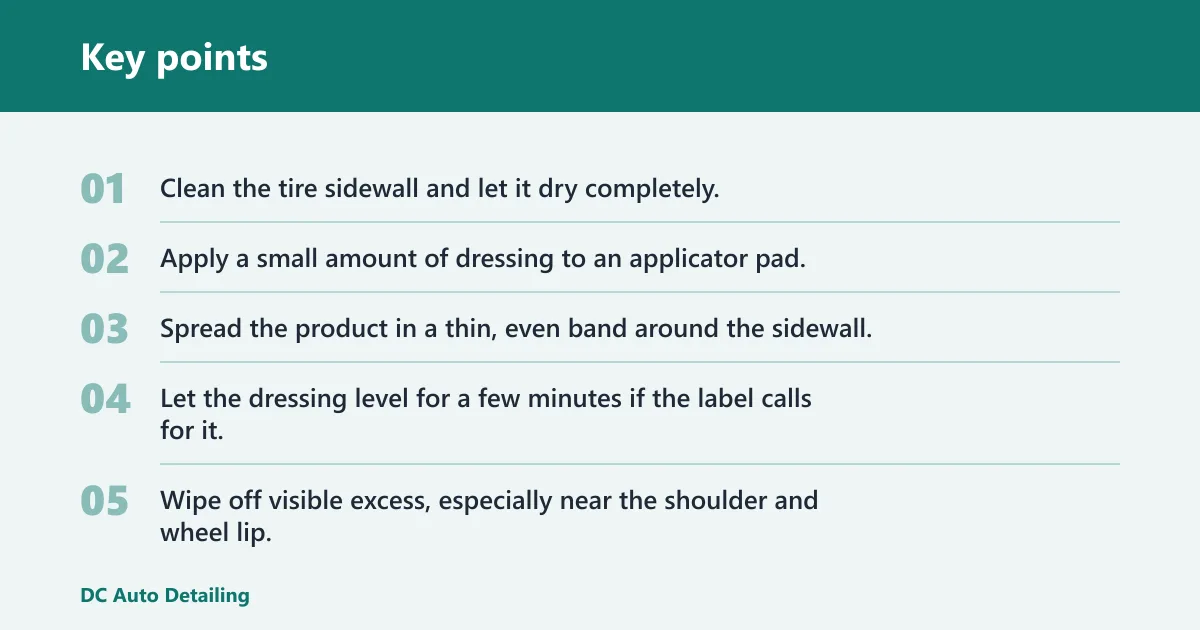
- Clean the tire sidewall and let it dry completely.
- Apply a small amount of dressing to an applicator pad.
- Spread the product in a thin, even band around the sidewall.
- Let the dressing level for a few minutes if the label calls for it.
- Wipe off visible excess, especially near the shoulder and wheel lip.
- Check the tire in daylight for streaks or wet spots before driving.
Say your SUV has textured all-terrain sidewalls. A glossy aerosol may make the raised rubber look uneven and leave product in the grooves. A satin dressing applied with a foam pad usually gives a cleaner result because it spreads more evenly across the texture without flooding the pattern.
Sling and dust control
Sling happens when wet product transfers from the tire to the body panels, usually while driving after overapplication or before the coating has set. Dust attraction often comes from excess product left on the surface. A thin coat, proper dry time, and wiping off the high spots are the simplest ways to reduce both problems.
Frequently asked questions
What does tire shine do for your tires?
It makes the sidewall look darker, cleaner, and more finished. On newer tires it often looks even and crisp, while older or browned tires may absorb the product unevenly. It does not repair cracks, restore worn rubber, or fix sidewall damage.
Does tire shine protect tires or just make them look glossy?
Mostly it changes appearance, but some formulas also offer UV resistance and help slow surface drying. That protection varies by product and is usually modest compared with the visual effect. If protection is the priority, read the label closely and do not expect every shine product to perform the same.
How long does tire shine last on daily-driven tires?
Many daily-driven tires hold a shine for about 1 to 3 weeks, depending on the formula, weather, and wash routine. Light water-based products usually fade sooner, while stronger dressings can last longer. Frequent rain, detergent, and scrubbing shorten the finish life.
Is tire shine safe for all tire types and sidewalls?
Most tire shine products are intended for standard rubber sidewalls, but the finish can look very different on smooth, textured, new, or older tires. Off-road and heavily textured sidewalls often need a lighter formula to avoid blotching. Always avoid getting dressing on the tread and inspect for sidewall damage first.
Can tire shine cause sling or attract dust?
Yes. Sling is most likely when the product is applied too heavily or driven on before it sets. Dust attraction usually comes from overapplication or leftover residue. A thin coat, proper dry time, and wiping the sidewall after application reduce both problems.
What is the difference between tire shine and tire dressing?
Tire dressing is the broader category. Tire shine is a type of dressing aimed at a more noticeable finish, often with more gloss. Dressings can be matte, satin, or glossy, and they may be water-based or solvent-based depending on the look and durability you want.
How do you apply tire shine evenly without streaks?
Start with a clean, dry sidewall and use an applicator pad instead of flooding the tire. Apply a small amount, spread it in thin passes, and wipe off any excess before driving. Even coverage and short dry time matter more than using a large amount of product.