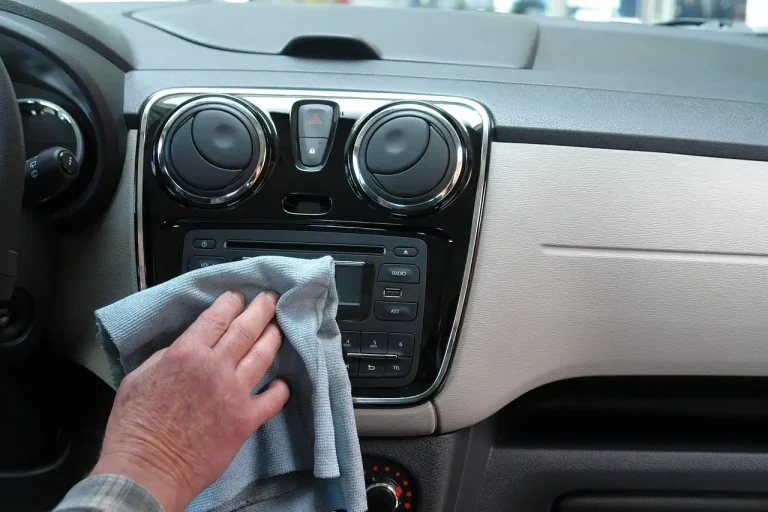
How to find the source of a mildew smell in your car
To find the source of a mildew smell in your car, trigger the odor first, then trace it to the smallest wet area or HVAC component that smells strongest, not the whole cabin. If you miss the source, you can keep the smell alive by cleaning the wrong spot while hidden moisture keeps feeding mold. Use a step-by-step method for seats, carpets, trunk areas, drains, and the HVAC system.
Why the smell timing matters
Timing narrows the suspect list fast. A smell that appears only after rain points toward water entry. A smell that starts when the AC turns on points toward the HVAC system. A smell strongest at floor level may point toward carpet, mats, or under-seat moisture.
That matters because mildew odor is usually a moisture problem first and a cleaning problem second. If you clean the wrong area, the odor often returns because the wet source is still there.
Smell after rain
If the odor shows up after rain or a car wash, inspect for leaks before you clean anything. Body seals and sunroof seals can let rain enter and wet seats and carpets. Windshield, cowl, and body-panel leaks can also create recurring damp spots, and sunroof drains can clog and send water to the headliner, pillars, or floor instead of letting it exit normally.
Smell only when the AC
If the smell starts after turning on AC, the evaporator case may be the culprit. A damp draft that appears when the AC kicks on points to the ventilation system, not upholstery. That clue shifts the search to the cabin air filter, evaporator, and condensate drain path.
Smell strongest at floor level
When the odor is strongest near the floor, start with floor mats, carpet, and the area under the seats. Damp shoes, spilled drinks, and floorboard carpet can hold moisture after spills or leaks. The smell often pools where air moves least.
Smell that returns after drying
If the smell fades and returns after the cabin dries, the source is usually still wet or still collecting water. That pattern often means a blocked drain, hidden carpet saturation, or a leak that keeps re-wetting the same spot. Surface cleaning alone will not hold.
Where is the mildew smell coming from?
Start with the trigger, not the cleaner. Separate cabin, trunk, and HVAC sources, then follow the odor to the smallest wet zone you can confirm. That keeps you from treating the entire interior when only one area is actually causing the smell.
Follow the odor path in this order: cabin floor and seats, then trunk or rear hatch area, then HVAC parts if the smell changes with fan or AC use. If you cannot see moisture but the smell keeps coming back, hidden water entry or a blocked drain becomes more likely.
Say your sedan smells musty only after a heavy storm, and the odor is strongest beside the rear seat cushion. That pattern points away from a generic “whole car” issue and toward a body leak near the rear door, window, or trunk seal. The wet zone is the clue.
Mildew source finder decision table
| Symptom trigger | Likely source | Inspection location | Quick test | Escalation step |
|---|---|---|---|---|
| Smell only after rain | Body seals, sunroof seals, or body-panel leak | Door seals, sunroof frame, rear hatch edges, carpet edges | Press a dry paper towel along seams and look for moisture or water trails | Use a leak-down test if no wet point is visible |
| Smell only when the AC turns on | AC evaporator or evaporator case | HVAC vents, passenger footwell, area behind glove box | Run the fan with AC off; if the odor drops, the HVAC system is suspect | Check the evaporator drain and cabin air filter |
| Smell strongest at floor level | Floor mats, carpet, or under-seat moisture | Front and rear floor mats, carpet backing, seat tracks | Lift mats and press a towel into carpet fibers | Remove seats only if needed for deeper moisture inspection |
| Smell in trunk or rear hatch | Hidden spill, damp cargo, or rear-area leak | Spare tire well, rear trim, cargo floor, hatch seals | Lift trim panels and feel for damp padding or staining | Use a moisture scan if the area looks dry but smells wet |
| Smell returns after drying | Standing water or recurring intrusion | Carpet underlayment, drain path, seal joints | Check for repeat wetting after rain or AC use | Escalate to professional diagnostics before remediation |
What should you check first?
Check the highest-probability moisture reservoirs first: floor mats, carpet, under-seat areas, cup holders, and the trunk or rear hatch area. These spots trap spills, rainwater, and damp cargo. They also produce false positives, because a small spill can smell like a much larger mold problem.
Floor mats and carpet
Remove every floor mat. Do not inspect around them. Mats can trap dampness and odors, and a wet mat can hold water against the carpet below. Press the carpet with a dry hand or towel, especially along the front footwells and the rear passenger floor, and use a flashlight to check along the carpet edges and under the carpet padding where moisture can hide.
Under seats and seat tracks
Slide each seat fully forward and then fully back to inspect under-seat areas. Check the seat tracks, mounting points, and the floor under the seat for moisture, stains, or a musty patch. Carpet under the seat can stay damp while the visible top layer looks normal.
Cup holders and door pockets
Check cup holders, console storage, and door pockets for spilled drinks, forgotten bottles, or damp trash. A sweet spill can sour into a mildew-like odor, especially if liquid seeped into foam or trim seams. Empty and dry these spots before moving on.
Trunk or rear hatch area
Inspect the trunk or rear hatch area even if the cabin smells stronger up front. The trunk or rear hatch area is sometimes overlooked in odor diagnosis, and it can hold hidden spills or damp items. Lift the cargo floor, check the spare tire well, and feel the trim for trapped moisture.
A common first-timer mistake is to spray odor remover into the cabin before lifting the rear cargo floor. If the spare tire well is wet from a body leak, the smell will keep returning because the source is below the visible surface.
Can the AC system cause it?
Yes. If the smell starts with the AC or changes when the fan runs, the HVAC system deserves a close inspection. A clogged cabin air filter can hold moisture and restrict airflow. The evaporator can also collect moisture, and a blocked drain can leave water inside the HVAC case.
Cabin air filter behind the glove box
The cabin air filter is usually located behind the glove box. Pull it out and look for dust, pollen, exhaust residue, and any musty odor. If it is clogged or smells stale, replace it. A dirty filter can keep odor in circulation even when the rest of the cabin is dry.
AC evaporator moisture
The AC evaporator creates condensation during AC use. If moisture lingers on the evaporator, mold can grow and the smell can spread through the vents. A damp draft that appears when the AC kicks on points to this part of the system, especially if the odor is strongest at the vents.
Evaporator drain tube blockage
The evaporator drain path is often not easy to see from outside the vehicle. If it is blocked by leaves or debris, condensation cannot leave the HVAC case. Water may then stay inside the HVAC housing or show up in the passenger footwell rather than draining normally. A dry-looking exterior does not clear the drain automatically.
When to dry the system
If the smell only happens with the AC on, a common rule of thumb is to dry the system after use by running the fan with AC off before parking. That helps move moisture out of the evaporator case. If the odor persists after filter replacement and drain inspection, the issue may be deeper inside the HVAC housing.
Do leaks or seals explain it?
Rain-linked odors often come from water entry, not the air system. Check body seals, sunroof seals, and panel edges for wetness or visible entry points. If the smell is recurring and you cannot find a surface wet spot, hidden intrusion becomes the leading suspect.
Body seals
Inspect door seals, hatch seals, and body seams for cracks, flattening, or gaps. Leaks in body panels can let rain enter and wet seats and carpets. Run a hand along the lower edge of each seal after rain, then check the carpet edge closest to that area.
Sunroof seals
If the car has a sunroof, inspect the seal and the surrounding headliner edges. Water can travel away from the entry point before it shows up on the floor, so a dry visible panel does not rule out a leak above it. Look for staining at the A-pillars and headliner corners.
Signs the leak is hidden
Hidden leaks often show up as a recurring smell with no obvious puddle. You may find damp carpet padding, a wet spare tire well, or a stale odor that gets worse after storms. If the source is not visible, a professional water leak test can locate hidden water entry before cleanup starts.
Suppose a compact SUV smells musty only after rain, but the seats and dash look dry. If the spare tire well is damp and the rear hatch seal shows water trails, the problem is likely rear-area intrusion, not the front HVAC system. The smell may travel forward through the cabin.
When to call a professional
Call for professional help when the odor persists without a visible source, returns after drying, or spreads through multiple zones. A water leak test can be used to find hidden mold problems before remediation. A moisture scan can help get to the root of the mold problem when dampness is below the surface.
Leak-down test
A water leak test is useful when rain-linked odor keeps returning and the entry point is not obvious. It helps locate hidden leaks in body seams, seals, and panel joints. If water intrusion is suspected but you cannot reproduce it during a quick check, this test gives a clearer answer.
Moisture scan
A moisture scan is useful when the carpet or trim smells damp but feels dry on the surface. It can confirm hidden wet areas in padding, underlayment, and trim. That is the point where a visual inspection is no longer enough.
Persistent odor with no visible source
If the smell persists and no wet zone is found, do not keep masking it with fragrance. Persistent odor with no visible source usually means the moisture is trapped below trim, inside HVAC components, or under carpet padding. At that point, deeper diagnosis is the next step.
Frequently asked questions
How do I find where the mildew smell is coming from in my car?
Start by matching the smell to a trigger: rain, AC use, floor-level odor, or trunk odor. Then inspect the smallest likely wet zone first. That order separates cabin, trunk, and HVAC sources instead of treating the entire car as one odor area.
How can I tell if the smell is from the AC vents or the carpet?
If the odor appears when the AC turns on, the HVAC system is the stronger suspect. If the smell is present before the AC starts, seat covers, carpets, cushions, or upholstery are more likely. A fan-only run with AC off can help separate the two.
What parts of the car should I check first for hidden moisture?
Check floor mats, carpet edges, under-seat areas, cup holders, and the trunk or rear hatch area first. Those spots trap spills and damp items. If the smell changes with rain or AC use, move next to body seals, sunroof seals, the cabin air filter, and the drain path.
How do I check for mold under seats and floor mats?
Remove the mats, slide the seats fully forward and back, and inspect the carpet and seat tracks by hand. Press a dry towel into the fibers and look for staining, dampness, or a musty smell. Under-seat carpet and padding can hold odor even when the surface looks fine.
Why does my car smell like mildew after rain?
A smell after rain usually points to water intrusion. Body seals, sunroof seals, and panel seams can let rain enter and wet carpets or seat bases. If the odor returns after each storm, check for repeat wetting in the same area rather than cleaning the whole cabin.
When should I get a professional leak-down test or moisture scan?
Use a water leak test when the smell tracks with rain but the entry point is hidden. Use a moisture scan when odor persists without visible wetness. Both are useful when the smell returns after drying or when the source is buried under trim, carpet padding, or HVAC parts.