How to dry a car with a drying towel without swirl marks
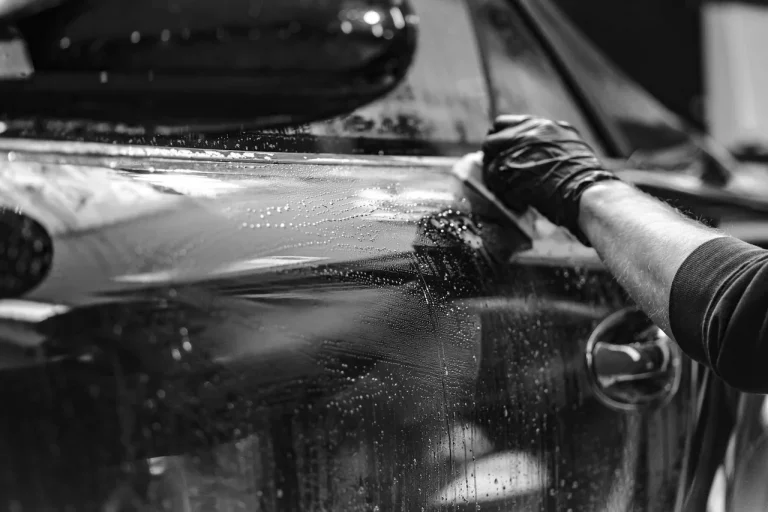
Use a clean waffle-weave drying towel, glide it lightly in one direction, and stop to switch as soon as it feels damp or picks up grit. Bad drying can leave swirl marks and turn a clean wash into visible paint damage. This guide covers the safest drying sequence, towel-loading limits, and the exact stop-and-switch rules.
What you need before drying
Drying starts with a fully washed and rinsed surface. If dirt is still on the paint, the towel is doing two jobs at once, and drying should never be cleaning.
- One clean microfiber drying towel with a soft, paint-safe weave.
- A large plush twisted-loop or waffle-weave towel, with large size preferred.
- A second towel for lower panels, door shuts, and hidden water traps.
- A drying aid or detail spray for extra glide and lower friction.
- A contact-free car dryer blower for mirrors, grilles, vents, badges, and crevices.
- A clean wash bucket setup and rinse water, because the car should be clean before drying starts.
A microfiber towel is safer than a bath towel or T-shirt because its pile is made for paint contact, not for scrubbing. Use the towel only on clean paint. A dirty towel on contaminated paint is how fine marring starts.
Drying towel checklist
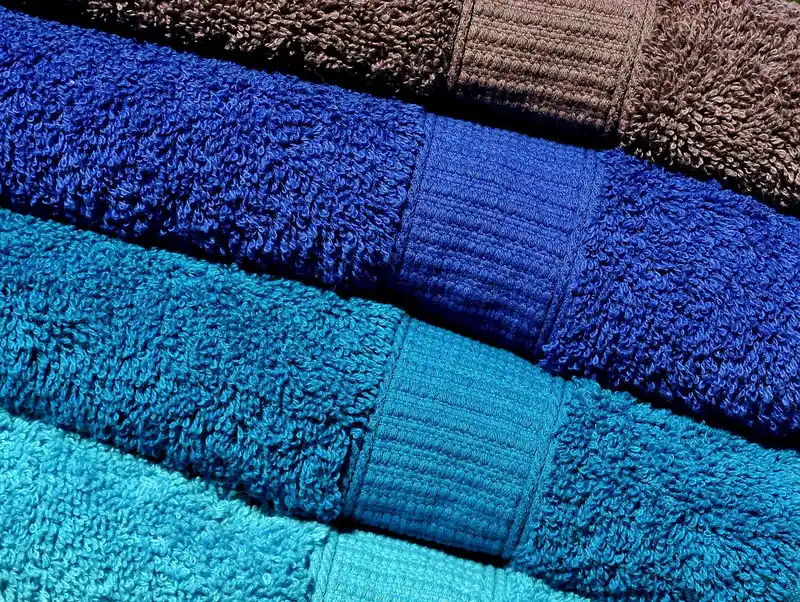
Choose a towel that can hold water without dragging across the panel. Auto Finesse recommends a “large, plush microfibre drying towel,” and the same logic applies to twisted-loop and waffle-weave towels: more absorbency, less friction, fewer passes.
| Surface condition | Towel condition | Action |
|---|---|---|
| Freshly washed, cool, shaded panel | Dry, clean, no grit | Dry one section with one light pass, then move on |
| Water still sheets cleanly | Still glides freely | Continue with gentle blotting or a single pull |
| Lower panel, wheel arch edge, or rocker area | Picking up darker residue | Switch to the secondary towel and save this area for last |
| Mirror housing, badge, grille, vent, fuel flap, door shut | Small towel or blower only | Use a blower first, then a focused towel pass |
| Panel feels hot or sun is hitting it | Any towel | Move the car into shade or work one panel at a time |
| Towel feels grabby, leaves streaks after one pass, or shows visible dirt | No longer safe | Stop and switch immediately |
How do you dry a car without swirl marks?
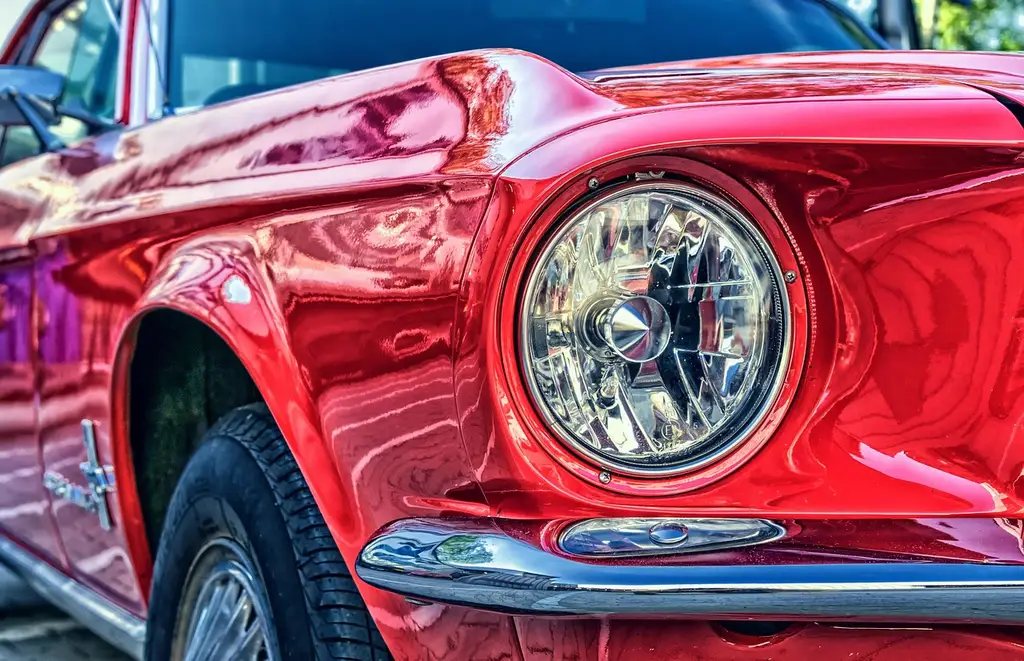
Dry with a clean microfiber towel, use the lowest pressure that removes water, and work from the roof down in a straight path. The same source says to “Blot, Don’t Scrub,” and that is the right idea: let the towel pick up water, not move contamination around the paint.
Drying is one of the biggest factors in the finish, and most paint damage starts here. That is why towel control matters more than speed. A clean surface, a clean towel, and a light touch keep the finish safer.
- Start at the roof. Dry the highest panel first, then glass, bonnet, upper panels, doors, and lower panels. That top-down order keeps rinse water from running back onto finished sections.
- Use a straight pull. Lay the towel flat, then pull it across the panel in one direction. If the towel is plush enough, one pass often removes the remaining sheet water.
- Blot tight areas. Press and lift on badges, trim edges, and panel gaps instead of rubbing back and forth. This reduces edge contact where grit and trapped water collect.
- Add glide when needed. If the towel slows down, mist a drying aid or detail spray lightly before the next pass. It adds lubrication, helps the towel glide, and can add gloss and protection.
Blot or wipe?
Blotting is safest on delicate areas, seams, and curved trim. Wiping works on open panels when the towel is clean, damp enough to glide, and used with a straight motion. Never scrub. Never chase a remaining drop with repeated hard passes.
Picture a bonnet that still beads after the rinse. A light waffle-weave towel can lift the sheet water in one direction. If the towel starts to drag after that first pass, stop and reload with a dry section rather than pushing harder.
What is the safest drying sequence?
The safest sequence is roof first, then glass, bonnet, upper sides, doors, and lower panels last. That order matters because lower panels carry the highest dirt load and are the most likely place for contamination to meet the towel. The same source gives the same order: “Roof. Glass. Bonnet. Upper panels. Doors. Lower panels.”
- Clear water traps first. A blower is commonly used first on mirrors, grilles, vents, badges, and crevices before the towel touches paint. This removes water where towels cannot reach well.
- Dry the roof and glass. Work one panel at a time, especially in sun or heat. If the panel warms up, move on rather than letting water spot.
- Finish upper body panels. Dry the bonnet, shoulders, and upper doors with a straight pull or a blot-and-lift motion. Keep the towel flat so an edge does not catch grit.
- Save lower panels for last. Use the second towel here, because road film and splash residue make this the contamination zone.
Suppose the car is parked outside and the panel surface is hot enough to flash-dry water in under a minute. Work one section at a time and keep moving. Shade buys time, but hot paint shortens the safe window and raises water-spot risk.
When should you stop and switch towels?
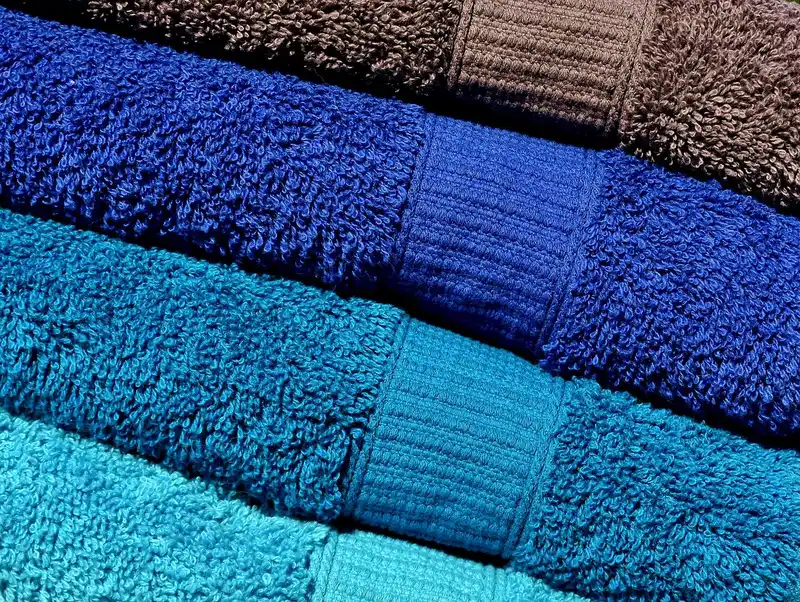
Stop immediately when the towel feels grabby, shows visible dirt, leaves streaks after one pass, or starts dragging instead of gliding. That is the hard stop. A towel that has lost glide or picked up contamination should not keep touching paint.
There is no simple safe rule that says one saturated towel should finish the whole car. A towel loading limit is practical, not fancy: if the fibers are heavy with water, if the nap looks matted, or if lower-panel residue is showing up, switch towels or switch to a dry section.
Swirl-risk drying checklist
| Surface condition | Towel condition | Action |
|---|---|---|
| Clean upper panel, cool to the touch | Dry, plush, no debris | Continue with the main towel |
| Water is gone after one light pass | Still glides freely | Move to the next panel |
| Towel feels grabby | Glide drops off | Stop and switch to a fresh towel or dry section |
| Visible dirt appears on towel | Contaminated | Do not reuse on paint; reserve for dirty lower areas only |
| Streaks remain after one pass | Too wet or loaded | Reload with a dry towel or add a drying aid, then recheck |
| Lower-panel contamination shows up | Main towel at risk | Switch to the secondary towel and keep the main towel off the lower body |
Hard water shortens the safe working time because minerals can leave marks faster as droplets evaporate. If you see streaking from residue rather than from missed water, use a drying aid on the towel first, then recheck the panel. If the streaks remain, move to a drier towel rather than scrubbing harder.
Common mistakes to avoid
Do not dry a dirty car with a microfiber towel and hope the towel will fix the surface. Drying is the last step after a proper wash and rinse. It cannot safely remove bonded grime, road film, or grit.
- Using a dirty towel. Once grit is visible, keep that towel off exposed paint.
- Pressing too hard. Heavy pressure raises friction and turns a safe wipe into a bad one.
- Working in full sun. Shade is better because it slows spotting and gives more working time.
- Ignoring lower panels. They are dirtier, so save them for last and use a separate towel if possible.
- Skipping hidden water traps. Door shuts, mirrors, emblems, fuel flaps, bonnet edges, and boot recesses hold water after the main panels look dry.
A common first-timer mistake is chasing one last drip from a badge recess with the same towel used on the bonnet. That keeps the contamination zone in contact with cleaner paint. A blower first, then a focused towel pass, is the safer sequence.
Say your towel starts clean on the roof, glides well on the glass, then feels sticky on the rear doors. That is the point to stop. Switch to a fresh towel or a dry section before moving to the lower panels, because the next contact is where swirls can start.
Frequently asked questions
Should I blot or wipe a car dry with a microfiber towel?
Blotting is safer on seams, emblems, mirrors, and other tight areas. Wiping is fine on open panels if the towel is clean and glides freely. The safest pattern is usually a soft blot first, then one gentle pull across the panel if needed.
What pressure should I use when drying car paint?
Use the least pressure that clears the water on the first pass. If the towel needs force, the panel is likely too hot, too dirty, or too dry for safe glide. Stop, add a drying aid, or switch towels rather than pushing harder.
Is a drying aid worth using before towel drying?
Yes, especially when the towel starts to drag or the paint is coated and shedding water unevenly. A drying aid adds lubrication, helps the towel glide, and can add gloss and protection. Use a light mist, not a wet film that leaves residue.
How do I dry door jambs, mirrors, and badges without scratching?
Open the doors and bonnet, then use a blower first on mirrors, grilles, vents, and badges. Follow with a smaller clean towel for door shuts, jambs, and recesses. Keep that towel separate from the main drying towel so dirt from hidden areas does not move back to exposed paint.
What towel size is easiest for drying a car?
A large plush towel is easiest for the main body panels because it covers more area and reduces the number of passes. The same source recommends a “large, plush microfibre drying towel.” For jambs and tight spaces, a smaller second towel is easier to control.
Is twisted loop or waffle weave better for drying?
Both can work well if they are clean and soft. Twisted-loop towels tend to hold more water and feel more plush, while waffle-weave towels can glide well and make it easier to see where water remains. Pick the one that stays clean, absorbs fast, and does not drag.
How many towels do I need to dry a car safely?
A common practical minimum is one main drying towel plus one smaller or separate towel for lower panels and water traps. If the car is large, very dirty at the lower edges, or dried in heat, a third towel is useful. The key is to stop before one towel becomes saturated or contaminated.