Coating maintenance for ceramic coated cars
When a ceramic-coated car still looks clean but water behavior or slickness drops, start with a proper wash, then use iron remover and a coating-safe topper; if beading stays weak after one decon cycle, schedule inspection. If you ignore the drop, bonded contamination can mask the coating, raise wash-marring risk, and push you toward polishing that cuts into coating life for no good reason. This guide covers what to wash, when decontamination is enough, and when polishing or correction is the right next step.
A ceramic coating is a liquid polymer applied to paintwork, and it forms a hard, invisible layer that bonds to the surface. That thin layer creates a smooth, hydrophobic surface and adds chemical resistance, but it still needs proper maintenance to keep working well. The key point is simple: a coated car can still look fine while beading, sheeting, and self-cleaning behavior have already started to slip.
What changes first when a coated car stops performing?
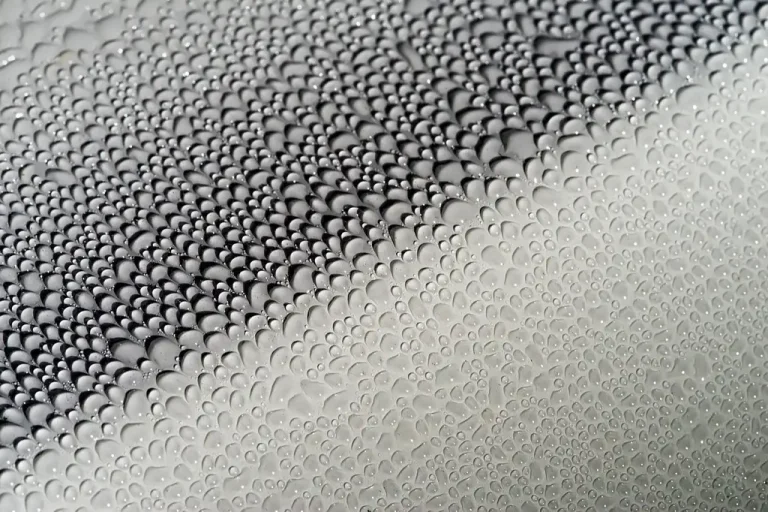
The first change is usually behavior, not appearance. A ceramic coating can still leave paint looking fairly clean while water beads poorly, sheets slowly, or the surface loses slickness. Those shifts often come from contamination sitting on top of the coating rather than true coating failure, so weak beading alone is not a good reason to polish.
Looks clean, behaves dirty
Appearance, slickness, and coating performance are related, but they are not the same thing. A panel can still reflect well and hold gloss while road film, mineral residue, or iron fallout cuts hydrophobic behavior.
Ceramic coatings help protect against UV rays, road salt, bird droppings, and contaminants, and they can last for years with proper care. Still, that protection depends on a very thin surface layer. Once that layer gets loaded with residue, water behavior usually drops first.
Weak beading versus slow sheeting versus lost slickness
Weak beading usually means one of three things: the coating is dirty, the drying aid or shampoo left residue, or the coating itself is wearing down. Slow sheeting often points to film buildup across larger areas, especially after rain, sprinklers, or repeated touchless washing with strong detergents.
Lost slickness is an even less reliable failure signal. Some coatings are not very slick even when healthy, and some maintenance sprays make paint feel slicker without saying much about the coating below.
Why contamination often mimics coating failure
Bonded contamination changes the contact angle of water. Mineral deposits from hard water, traffic film, iron particles, and oily wash residue can all interfere with the smooth, hydrophobic surface the coating is supposed to present.
Suppose the hood still looks glossy after a week outside, but rinse water now clings in broad patches instead of moving quickly. That does not automatically mean the coating has failed. It often means the surface needs cleaning that goes beyond a basic shampoo wash.
How do you maintain a ceramic coated car day to day?
Day-to-day maintenance comes down to low-friction washing, safe chemistry, and careful drying. Start with a thorough rinse to remove loose dirt and debris, wash with a coating-safe shampoo that is typically near neutral pH and leaves no glossing residue or wax behind, use clean media with a two-bucket or equivalent contamination-control method, and dry promptly with a clean high-GSM microfibre drying towel or a filtered blower so water does not sit and spot.
Safe wash chemistry for coated paint
A proper wash starts with a thorough rinse to remove loose dirt and debris. If the car is visibly dusty or gritty, a snow foam pre-wash helps loosen and carry off dirt before you touch the paint, which cuts contact abrasion.
The recommended shampoo type is pH-neutral. That matters because a pH-balanced shampoo made for waxes, sealants, or coatings is usually safe for coated paint and less likely to leave the surface stripped, squeaky, or coated in gloss agents after repeated washes.
Low-friction wash methods
- Rinse the car first. Flood the panels, badges, lower doors, and rear bumper to clear loose grit. The goal is to remove what can scratch before any wash mitt touches the coating.
- Pre-wash if needed. Apply snow foam when the car has visible road film, pollen, or winter grime. Let it dwell according to label directions, then rinse fully so lifted dirt leaves the surface before hand washing.
- Wash with pH-balanced shampoo. Use a clean mitt and a two-bucket setup or another contamination-control method that keeps rinse water separate from shampoo. Work top to bottom so the dirtiest lower sections do not contaminate cleaner upper panels.
- Clean tools as you go. Rinse the mitt often and switch towels or mitts if one picks up visible grit. Dirty wash media is one of the fastest ways to add wash-induced marring to coated paint.
- Rinse completely. Remove all shampoo from mirrors, trim edges, emblems, and panel gaps. Left-behind soap can alter slickness and make it harder to judge real coating behavior after the wash.
Drying without adding spots or marring
- Dry promptly. Do not let rinse water sit and dry on the surface, especially in hard-water areas. Fresh mineral residue is easier to prevent than to remove later.
- Use plush microfibre towels. Dry with a freshly washed, soft-edged microfibre drying towel, or use filtered air around mirrors, grilles, and badges first so trapped water does not run back out. Blotting or very light passes are safer than pressing hard, and faster drying leaves less time for minerals to form visible spots.
- Use a drying aid only if needed. A ceramic-safe spray can add lubrication for drying and leave the finish more even. If the coating already sheets cleanly and the towel moves easily, extra product may add little.
A common first-timer mistake is washing a dusty black daily driver with one bucket and an overloaded mitt because the coating “should protect it.” The coating may still bead afterward, but the new fine marring will show in sun, and machine polishing may remove part of the coating.
What does ceramic coating maintenance cost each year?
Ceramic coating upkeep is usually a modest annual expense, but it is not free. The supporting article breaks down the main cost drivers: routine washing, an optional booster spray, yearly decontamination, and checking whether the coating is still beading and shedding water properly. Those pieces matter because they help you keep the coating working as intended instead of allowing grime and mineral buildup to reduce its performance.
If you want a practical budget benchmark, see the ceramic coating maintenance cost breakdown. It shows where money typically goes and helps you compare light-use cars with vehicles that need more frequent care.
How often should you wash a ceramic coated car?
You should wash a ceramic-coated car by exposure, not by one fixed calendar rule. Daily drivers and outdoor-parked cars usually need more frequent washing than garage-kept weekend cars, while winter salt, coastal air, humidity, pollen, and hard water can shorten the safe gap even if the paint still looks clean.
Daily drivers and outdoor-parked cars
If the car lives outside, drives in traffic, or sees regular rain, wash when visible film starts to dull water behavior or when contamination is easy to feel on the paint. For many owners, that means roughly weekly or every other week, but surface condition matters more than the calendar.
Road film builds gradually. The car may still look presentable from ten feet away while the coating is already shedding water worse than it did after the last proper wash.
Garage-kept and fair-weather vehicles
Garage-kept vehicles with limited mileage can often go longer between washes if they stay dry and clean. Even then, dust, pollen, and sprinkler exposure can justify a wash before the paint looks obviously dirty.
If the car has been parked for weeks but rinse water still sheets cleanly and the surface feels smooth after a gentle wash, there is no need to force decontamination or toppers on a schedule alone.
Winter salt, coastal air, humidity, and hard water
Salt exposure changes the equation. Wash sooner in winter because road salt and brine cling to lower panels, wheel arches, and the rear hatch or trunk area, and ceramic coatings help protect against road salt but do not make it harmless if left in place.
Coastal and humid climates leave more airborne residue, and hard-water areas raise the risk of mineral spotting after every wash or rain event. In pollen-heavy seasons, wash based on buildup level because thick organic film can trap moisture and make drying less clean.
When contamination should override the calendar
Wash the car sooner than planned if you see these signs:
- Water sits flat where it used to move.
- The paint feels rough right after rinsing.
- Bird droppings, bug remains, or sprinkler spots are present.
- Lower panels look gray or greasy even after rain.
Picture a garage-kept car that only comes out on weekends, then sits under hard-water sprinklers for one afternoon. Its mileage did not change much, but its need for attention did. Condition beats calendar.
When is a maintenance spray worth using?
A ceramic maintenance spray is worth using when the coating is clean but needs help restoring slickness, drying lubrication, or water behavior. It is optional when the coating already performs well after washing, and it is a poor substitute when minerals, traffic film, or bonded contamination are the real cause of weak beading.
When a topper helps
A ceramic-safe spray sealant or booster can be used every few months. That timing makes more sense than using one after every wash by default, especially when the coating already dries easily and sheets well.
Use a maintenance spray after washing or during drying when the paint is decontaminated enough to accept it evenly. On a healthy coating, the spray can restore slickness and sharpen water behavior without changing the underlying condition of the coating itself.
When it is optional
If a proper wash leaves the surface clean, smooth, and fast-shedding, a topper may add feel more than function. That is not harmful if the product is coating-safe, but it should be treated as optional maintenance, not proof that the coating needed rescue.
Some owners like the extra gloss and towel glide after each wash. That preference is fine, but it should not replace an honest read of the surface.
When a spray hides the real problem
If beading drops sharply again after the next rain or the next shampoo wash, the spray probably masked contamination instead of fixing it. Repeating the topper cycle can delay the real solution and make it harder to see whether the coating itself is still responding.
That is why decontamination comes before repeated boosting when performance keeps falling off quickly.
Coating symptoms decision table
| Symptom | Likely cause | Safe first response | Products to use | Escalation step |
|---|---|---|---|---|
| Weak beading, paint still looks clean | Traffic film, shampoo residue, light mineral film, early contamination | Do a proper rinse, pH-balanced hand wash, and careful dry; reassess after a clean rinse | pH-balanced shampoo, clean wash mitt, plush microfibre drying towel | If behavior stays weak, use iron remover and then a coating-safe maintenance spray; if still poor after one decon cycle, inspect the coating |
| Slow sheeting across large panels | Film buildup from road grime, detergents, or environmental fallout | Wash thoroughly and check whether water still hangs evenly across the panel | Snow foam pre-wash, pH-balanced shampoo | Move to chemical decon aimed at fallout; avoid polishing until contamination is ruled out |
| Fresh water spots after wash or rain | Mineral deposits left by hard water before drying | Rewash or use a coating-safe water spot remover suited to mineral residue | Plush drying towel, dedicated coating-safe spot remover | If marks remain and feel etched or look unchanged dry, inspect for etching rather than adding topper |
| Older water spot buildup | Mineral accumulation bonded to the coating | Use least-aggressive spot chemistry first on a cool surface | Coating-safe mineral remover, microfibre applicator | If buildup remains after safe chemistry, professional assessment may be needed before correction |
| Bird-dropping stain after cleanup | Acidic contamination has left staining or early etching | Remove residue immediately, then inspect once fully clean and dry | Detail spray or water for softening, clean microfibre towel, pH-balanced shampoo | If a mark remains after cleaning, correction may be needed; coating may need reapplication in that area |
| Rough paint after washing | Bonded contamination such as fallout or overspray | Use chemical decon before any clay | Iron remover, tar remover if needed | Reserve clay bar for limited, specific spots; expect possible marring and a need to reassess coating condition |
| Fine wash swirls in sunlight | Dirty wash media, friction wash, poor drying technique | Stop adding friction and correct the wash process first | Fresh mitts, separate drying towels, pH-balanced shampoo | If defects are visible after proper washing, paint correction is the next step; machine polishing can remove coating |
What should you do about water spots, bird droppings, and bonded contamination?
Treat each issue by severity and by what is sitting on the coating. Fresh water spots are usually mineral residue, older spots may need dedicated chemistry, bird droppings need fast removal because they are acidic, and bonded contamination should usually get chemical decon before any clay bar touches the paint.
Fresh water spots versus etched spots
Fresh spots usually sit on top of the coating. If they appeared after washing or after one rain in hard-water conditions, try the least aggressive path first: rewash, dry promptly, and use a coating-safe spot remover if plain washing does not clear them.
Older spots are different. If the mark remains after safe spot chemistry and still shows on a clean, dry panel, the minerals may have etched into the contamination layer or into the paint/coating system below. At that point, more topper is not the answer.
Bird-dropping cleanup
- Remove it quickly. Bird droppings are acidic contamination and can damage ceramic-coated paint if ignored. Soften the deposit with water or a compatible detail spray rather than dragging a dry towel across it.
- Lift, do not grind. Use a clean microfibre towel with light pressure and fold to a fresh side as residue transfers. If the dropping has dried hard, repeat the softening step before wiping again.
- Wash the area after. Once the bulk is gone, clean the spot with pH-balanced shampoo or during the next safe wash. This removes leftover residue that can keep reacting on the surface.
- Inspect once dry. If a dull mark or outline remains, the contamination is gone but staining or etching may be left behind. That is now a defect issue, not a cleaning issue.
When bonded contamination calls for chemical decon or a clay bar
If the paint feels rough after a proper wash, bonded contamination is likely. On coated cars, the first move should usually be chemical decontamination matched to the contaminant, such as iron remover for fallout or tar remover where road tar is obvious.
A clay bar is a physical decontamination tool. It can mar paint if used incorrectly, and on a ceramic-coated car it should be limited to specific cases where chemical decon has not solved a localized problem. Routine claying is poor maintenance because it adds friction without a good reason.
Say your roof feels smooth after iron remover, but a palm-sized patch behind one rear wheel still feels gritty from overspray. That is the kind of limited case where careful clay use may make sense, followed by inspection for any marring and any change in coating behavior.
What products and methods should you avoid on coated paint?
Avoid anything that adds unnecessary abrasion or stronger chemistry than the surface actually needs. The main risks are stiff bristle brushes, dirty wash media, high-pH traffic film removers or acidic cleaners used without a clear reason, friction tunnel washes, routine clay use, and aggressive polishing when the coating still has service life left.
Wash tools and wash styles that add marring
Traditional abrasive brushes can wear away coating over time. That applies to handheld brushes and to tunnel wash equipment that drags grime across the paint.
If an automatic wash is unavoidable, the best wash option is a touchless or soft cloth carwash. Touchless is usually safer for marring, though any strong detergent-heavy process can affect behavior and may leave the surface needing a follow-up hand wash.
One-bucket contact washes, reused towels, and neglected wash mitts belong on the avoid list too. Most wash-induced marring comes from dirt management failures, not from the coating itself.
Chemicals that create avoidable risk
Skip household detergents, strong wheel acids on paint, and heavy alkaline cleaners unless the contamination truly calls for them and the product is suitable for coated surfaces. Stronger chemistry is not automatically better for restoring beading.
Use the least aggressive method that matches the problem. If mineral spotting is the issue, use spot chemistry. If fallout is the issue, use fallout chemistry. Randomly cycling through stronger cleaners can shrink your margin for error without fixing the root cause.
Why routine clay and unnecessary polishing are poor habits
Routine clay use abrades the surface mechanically, even when lubrication is good. On coated paint, that means possible marring and possible reduction of coating thickness for little gain if chemistry would have handled the contamination.
Unnecessary polishing is more serious. Paint correction may be needed when defects remain or before reapplying a coating, but machine polishing can remove or significantly thin the existing coating. It is an escalation step, not normal maintenance.
When is coating maintenance no longer enough?
Maintenance is no longer enough when proper washing and one sensible decon cycle stop improving performance. Persistent contamination after cleaning, repeated beading loss right after a wash, visible marring or etching, age-related decline across multiple panels, and areas that no longer respond to safe decon all point past routine upkeep.
Signs the issue is below the contamination layer
If weak beading returns immediately after cleaning, or one section of the car stays flat while the rest responds normally, the issue may be uneven coating wear rather than dirt on top. That is especially true on horizontal panels, high-contact areas, and spots repeatedly hit by bird droppings or hard water.
Another sign is persistent roughness or spotting after matched chemistry has already done its job. At that stage, the contamination layer may be gone and the remaining problem may be in the coating or the paint finish below it.
When paint correction enters the conversation
Paint correction is for defects that washing and decontamination cannot remove: etching, swirls, haze, and other visible marks. It is also the step often used before a fresh coating is applied so the new coating bonds to a corrected surface rather than sealing in defects.
That comes with a tradeoff. Machine polishing can remove coating, sometimes fully in the corrected area. If the coating still has useful service life, correcting too soon may solve a visual problem by sacrificing protection that could otherwise remain in place.
When to inspect, refresh, or recoat
If the coating has declined across the whole vehicle and no longer responds to proper washing, chemical decon, or a light booster, inspection is the smart next move. Ceramic coatings can last for years with proper care, but longevity depends on the product, exposure, and maintenance history.
Some product makers publish specific claims. For example, Renove Cars lists 3 years of protection for its ceramic metal oxide coating and says the coating has 3 years of hydrophobic properties. Those numbers should be treated as product-specific claims, not a blanket timeline for every coated car.
Frequently asked questions
How do you maintain a ceramic coated car?
Maintain it with frequent low-friction washing, pH-balanced shampoo, clean wash media, and prompt drying. Judge the surface by behavior as much as appearance. If beading or sheeting drops, wash first, then decontaminate if needed. Use a maintenance spray when it adds value, not as the default answer to every symptom.
How do you care for a ceramic coated car?
Care starts with avoiding avoidable damage. Skip abrasive brushes, dirty towels, and unnecessary strong chemicals. Remove bird droppings quickly, manage hard-water spotting early, and reserve clay or polishing for specific cases. The goal is to preserve the coating’s smooth, hydrophobic surface instead of grinding through it during routine care.
Do you need a maintenance spray after every wash?
No. A ceramic maintenance spray is optional when the coating already rinses, sheets, and dries well after a proper wash. It is useful when you want more drying lubrication, slickness, or a modest boost in water behavior. Using it every wash can hide contamination rather than solve it.
When is a ceramic coating maintenance spray worth using?
It is worth using after washing or drying when the coating is clean but slightly flat in feel or water action. It is also useful every few months as a light booster. It is not the right first move for etched spots, bonded contamination, or repeated beading loss immediately after cleaning.
What products should you avoid on ceramic coated paint?
Avoid abrasive brushes, friction tunnel washes, dirty wash media, household detergents, harsh alkaline or acidic cleaners used without need, routine clay bar use, and aggressive polishing as maintenance. These methods can add marring, weaken performance, or remove part of the coating before the coating actually needs correction or replacement.