What does ceramic spray coating do for car paint?
Ceramic spray coating adds a thin, silica-based maintenance layer that can improve water beading, gloss, and light dirt release on already-clean paint, but it usually lasts weeks to a few months rather than years. Skip proper prep or expect it to fix defects, and you waste product while swirl marks, oxidation, and contamination stay put. This guide explains what it does, how it compares with wax and sealant, and when you need paint correction, clay bar decontamination, or a stronger coating instead.
How it behaves on clear coat
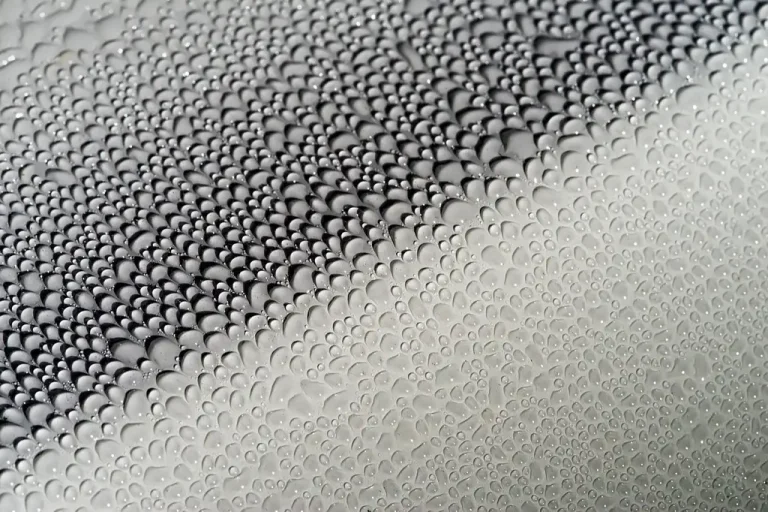
Ceramic spray coating gives paint a temporary maintenance layer that makes water bead or sheet off more easily, adds gloss, and can slow light contamination from sticking. It can also help with UV exposure and make washing easier, but those benefits are modest and depend on the surface being properly prepared. It does not level defects, fill deep damage, or replace correction on paint that already looks tired.
What it does on clear coat
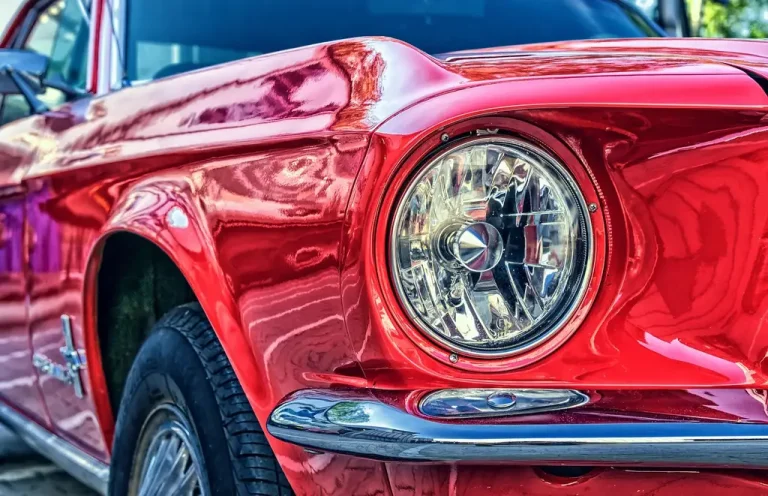
Car paint clear coat is the top protective layer on painted panels, and it is where most swirls, scratches, water spots, and oxidation show up. A spray coating sits on that surface. It can improve the way the finish looks, but it also follows the shape and condition of the clear coat underneath. On a properly prepped panel, the coating can make reflections look sharper; on a rough panel, it can accentuate what is already there.
That is why prep matters so much. On clean, corrected paint, the coating can look crisp and glassy. On neglected paint, it can make defects easier to see because the added gloss sharpens reflections. If the panel still holds embedded contamination, bonding also suffers and the finish can fail early.
Where the payoff is strongest
The strongest benefit is on already-decent paint that only needs maintenance support. A new car, a recently polished car, or a daily driver in good shape can see better water behavior and less effort during washing. The product is a booster, not a cure, and it is best treated as a surface topper rather than a replacement for a true coating system.
Suppose a black sedan has light dust, good clear coat, and no major defects. A spray coating can make the next wash faster and the finish look sharper. If the same sedan has etched water spots and wash marring, the coating will not erase those marks. For paint that already needs machine work, start with proper wash method and correction before any spray layer.
📊 The Drive notes a typical clear coat is 40 to 120 microns thick. Source: Thedrive.
Can ceramic spray coating hide scratches?
Ceramic spray coating does not meaningfully hide scratches or swirl marks, and it may make them more noticeable on glossy paint. It may slightly change how light reflects, but it does not remove defects. If the clear coat already holds damage, correction comes first. For deeper defects, compare the cost and result of professional ceramic coating after correction versus a temporary topper.
Swirls, wash marring, and oxidation
Swirl marks and wash marring are in the clear coat, not on top of it. A spray coating cannot level them out. Oxidation and water spotting are similar problems for expectation-setting. The coating may reduce future buildup, but it does not reverse damage already present. UV exposure can also be slowed by a protective layer, but it is not a restoration step for faded or chalky paint.
A common first-timer mistake is applying a spray coating after a quick wash on a white SUV with visible dealer swirls. The finish may bead well, but the swirls are still there. The sharper gloss simply makes them easier to notice in sunlight, especially under direct LED lighting or late-afternoon sun.
When correction comes first
Paint correction is the polishing step used before coating. It removes or reduces swirl marks and imperfections, and it matters more on used cars than on new ones. The process may be a one-step polish for light defects or a multi-stage correction for deeper marring and oxidation. If the paint needs correction, the best upgrade is to fix the finish first and then choose the protection layer.
If the paint has light haze only, a one-step polish may be enough before a spray coating. If it has heavy wash damage, water spotting, or dullness, the coating should wait until the finish is improved. Coating over problems does not solve them.
What prep do I need before using ceramic spray coating?
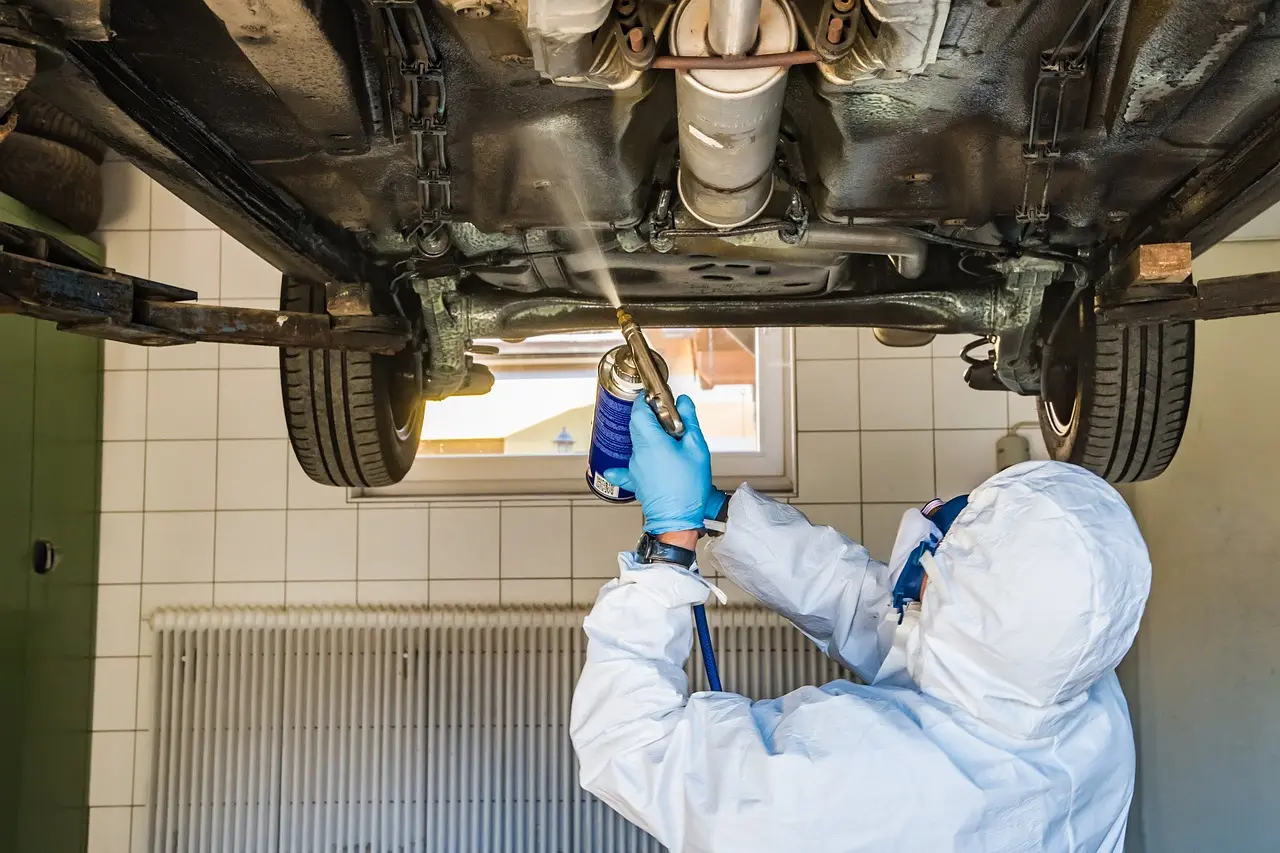
Wash the car, decontaminate the paint, and remove residue before applying ceramic spray coating. Clean paint is the baseline. If the surface still holds road film, iron fallout, tar, oils, or old dressing, the coating has less chance to bond well and less chance to last as long. That is why many detailers pair it with a careful wash and a panel-prep wipe.
Prep steps that matter most
- Wash thoroughly with a proper car shampoo.
- Decontaminate the paint if needed, using an iron remover or clay process when the surface feels rough.
- Polish first if the paint needs correction.
- Wipe the panel with a panel-prep product if the coating calls for it.
- Apply the spray coating in thin, even passes, then level and buff as directed.
What fails when prep is skipped
Skipping decontamination can trap bonded grime under the coating. Skipping correction means the defects remain visible. Skipping a panel wipe can leave polishing oils or residue that interfere with bonding. Those are different failures, and they do not all look the same. In warm, humid conditions, missed residue is more likely to smear instead of flashing clean; in cool or damp conditions, the same residue can drag and streak longer during buffing.
Say your compact hatchback was polished last week but still carries oily residue from the finishing step. A spray coating may streak or smear if you apply it before removing that residue. If the paint was also not decontaminated, adhesion can suffer even more. Use a clean, low-lint towel for leveling; a plush towel can load product well, while a short-pile towel often works better for the final buff because it reduces smearing on dark paint.
Is ceramic spray coating enough for your paint?
| Paint condition | Spray ceramic coating enough? | Best next step | Upgrade path |
|---|---|---|---|
| New car, no visible defects | Yes | Wash, decontaminate if needed, panel wipe, then apply a spray topper | Upgrade to a pro coating if you want multi-year durability and stronger chemical resistance |
| Light swirls, mild haze, good gloss | Sometimes | One-step polish first, then apply the spray coating | Upgrade to a pro coating after correction if you want a more durable protection class |
| Heavy swirls, oxidation, etched water spots | No | Correct the paint first | Use a sealant if you need a temporary finish boost after correction, or move to a pro coating for longer-term protection |
| Already corrected paint, owner wants easy maintenance only | Yes | Apply the spray coating as a maintenance layer | Upgrade to a pro coating if you want longer intervals between reapplication |
| Scenario | Recommended prep level | Expected benefit | When to upgrade |
|---|---|---|---|
| New car | Thorough wash, decontamination if needed, panel wipe | Good water beading, added gloss, easier washing | Upgrade to a pro coating if you want longer durability and stronger chemical resistance |
| Lightly swirled daily driver | Wash, decontaminate, one-step polish, panel wipe | Better gloss and runoff, fewer light wash-related buildup issues | Upgrade if the paint still looks hazy after polishing or you want multi-year protection |
| Neglected used car | Wash, heavy decontamination, paint correction, panel wipe | Limited unless defects are corrected first | Upgrade after correction, or start with correction before any coating |
| Recently corrected car | Final wipe-down, then apply per label | Strongest visual payoff and the cleanest surface response | Upgrade only if you want longer-lasting protection than a spray layer can usually provide |
How long does ceramic spray coating last?
Most ceramic spray coatings last far shorter than pro coatings, often weeks to a few months depending on the product, prep, weather, and wash habits. Some coating systems claim up to 3 years of protection, but that is not the same as a typical spray bottle used as a maintenance layer. Spray toppers are usually sacrificial and easier to refresh; true multi-year coatings are built and maintained for a different duty cycle.
Curing time and first wash
Curing time matters because the coating needs to set before heavy water exposure. Auto Finesse says to wait 1–2 minutes before buffing, keep the car away from water for 24 hours, and leave the coating undisturbed to cure. Adam’s guide recommends a 24–48 hour cure period.
That means you should not treat the car like it is finished the same day. In cool or humid weather, expect slower flashing and a higher chance of high spots if too much product is used. In hot weather, the risk shifts toward immediate grab, smearing, and uneven leveling. Many products also advise waiting 24 hours or more before washing, and a towel that is too absorbent can drag uncured residue instead of leveling it cleanly.
What shortens lifespan
Real-world durability drops faster when prep is weak, the paint is oily, the coating is spread too heavily, or the car is washed with harsh mitts and dirty towels. Strong detergents, automatic brushes, and poor drying technique can also wear the layer down early. Repeated use of aggressive drying aids or towel contamination can show up as loss of slickness first, then weaker beading, then patchy sheeting.
Hydrophobic performance also fades as the layer degrades. Water may stop beading tightly, dirt may cling more, and drying may take longer. After roughly 2 to 8 weeks on a poorly prepped or heavily washed car, failure often looks like the coating no longer snaps water off the panel, the surface feels grabby after rinsing, and some panels dry unevenly because the coating has worn in patches. That is the sign to refresh the coating or step up to a stronger protection plan.
Is ceramic spray coating better than wax?
For most DIY owners who want easier washing and stronger water behavior, ceramic spray coating usually outperforms basic wax in durability and wet-weather behavior. Wax still has a place when you want a quick, inexpensive, familiar topper. A sealant can still make sense when you want something between the two, especially if you want more durability than wax without moving all the way to a true coating. See also wax vs sealant.
Where spray coating beats wax
Spray ceramic coating usually gives better hydrophobic behavior, cleaner runoff, and a sharper look on well-prepped paint. It also tends to hold up better than many wax products, especially in rain and sun exposure. The Drive notes that ceramic coating can protect against rain and sunshine and make washes easier.
The same product can also protect more than paint if the label allows it. One featured system protects both paint and wheels, which matters because wheels see heat, brake dust, and heavier contamination than body panels. That benefit is practical, but it still belongs to the maintenance-layer category rather than the multi-year coating class.
Where wax still makes sense
Wax still makes sense if the paint is not worth correcting yet, if you want a short-term gloss boost, or if you prefer a product that is simple to reapply. On a rough used finish, a wax topper may be an easier stopgap than a spray coating that depends on careful prep.
A sealant is the smarter pick when you want a more durable maintenance layer than wax but do not want to commit to a true coating system. It fits the middle ground: decent gloss, easier upkeep, and less effort than full correction and coating.
Spray coating versus true pro coating
Spray ceramic coating works, but it usually sits below a true pro coating in durability, chemical resistance, and expectation-setting. The Drive says properly applied ceramic coating bonds to the surface and can provide multi-year paint protection when applied and maintained properly. That is a different category from a spray topper, which is generally designed for shorter maintenance intervals and easier reapplication.
That is why spray coating is best treated as a maintenance layer for already-decent paint. If you want a short-term boost, it fits well. If you want long-term resistance and a more demanding protection plan, move up to a pro coating after proper correction. For owners weighing that jump, a professional ceramic coating is the better match when the goal is durable protection rather than quick maintenance.
Frequently asked questions
What does ceramic spray coating do for car paint?
It adds a thin protective layer that improves water beading, gloss, and light dirt release on clean paint. It can also help reduce fading and oxidation risk, but it does not fix swirls, scratches, or water spots already in the clear coat. Prep and cure still matter.
Does ceramic coating damage car paint?
No, not when applied correctly to clean, sound paint. The risk comes from poor prep, trapped residue, or using the wrong product on an unsuitable surface. If the paint is dirty or oily, the coating can bond poorly and leave streaking, haze, or weak durability.
Can I apply ceramic spray coating over scratches or swirl marks?
You can, but it is usually a bad idea if you want the finish to look right. The coating sits on top of the clear coat and will not remove those defects. On glossy paint, it often makes existing scratches and swirl marks easier to see.
What should I avoid after applying ceramic spray coating?
Avoid water exposure during the initial cure window, avoid washing too soon, and avoid harsh brushes or dirty towels. Many products need about several hours to 48 hours before full water exposure, and some recommend about 24 hours or more before washing. Follow the label closely. If the weather is humid or cool, extend the cure window rather than rushing the first wash.
Sources
The Drive, “What Is Ceramic Coating?” cited here for clear-coat thickness and broad protection context.
Auto Finesse application instructions, cited here for buffing timing and water-exposure guidance during cure.
Adam’s ceramic coating guide, cited here for cure-period guidance and post-application handling.