What does a foam cannon do for car washing?
A foam cannon lays down thick suds that loosen dirt and add slip before contact washing, but it does not replace hand washing; use it with a pressure washer and pH-balanced car soap for the safest result. Skip the pre-wash, and you drag grit across the paint, which raises swirl marks and wasted effort. This guide explains what a foam cannon actually does, what soap to use, and when it is worth buying.
What a foam cannon actually does
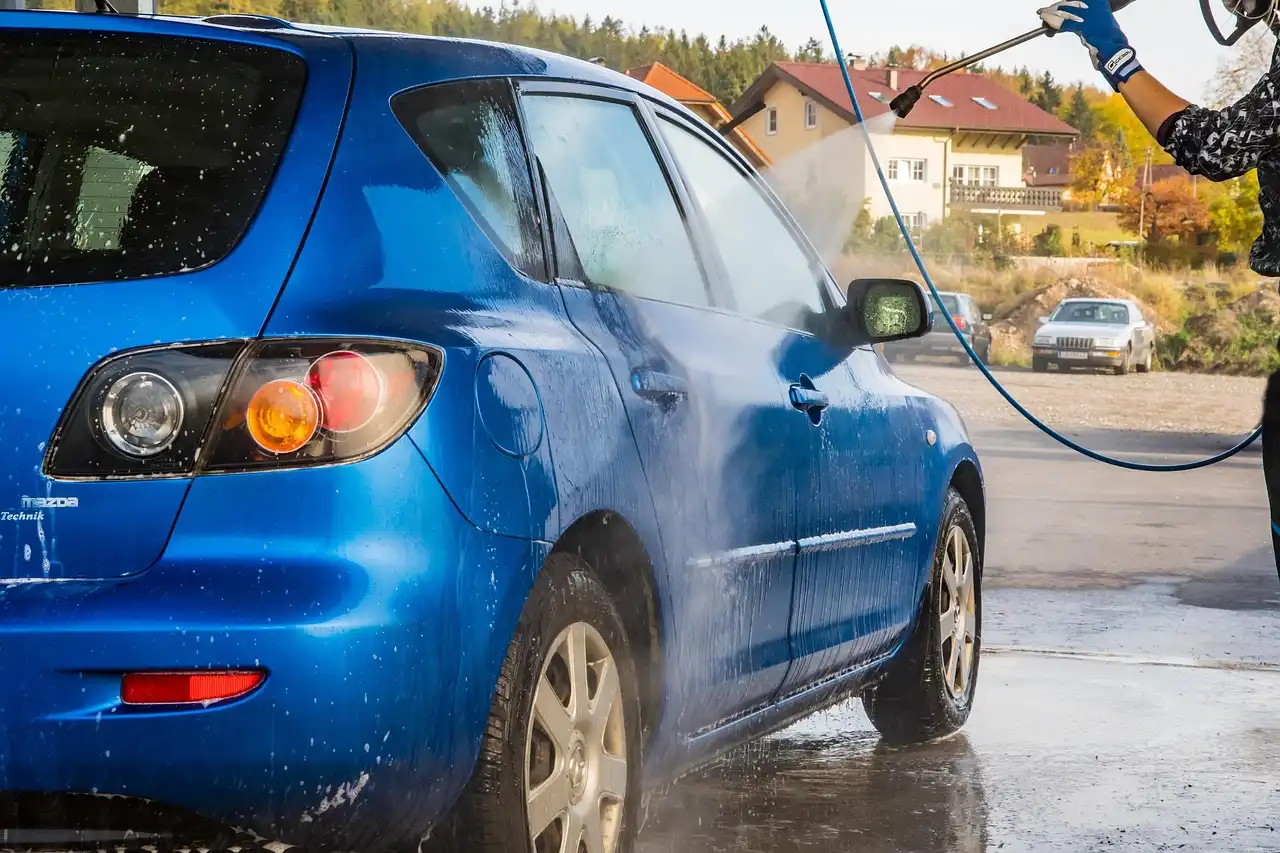
A foam cannon is a pressure-washer attachment that sprays foam over painted surfaces before the contact wash. Its main job is pre-wash lubrication and dirt softening, so the mitt or sponge may meet less loose contamination. It is a prep step, not the whole wash.
That distinction matters. Foam can help move dirt off the surface and may reduce the chance of wash marring during the hand wash, but it does not replace rinsing, agitation, or proper drying. The benefit comes from making the next step safer, not from foam alone doing all the cleaning.
Where the foam helps most
Foam helps most when the vehicle has a normal layer of road film, light dust, or a fresh layer of light contamination. In that range, the foam can hold soap on the panel long enough to soften grime before you touch the paint.
It is lower value on heavily soiled cars. If the body has mud, caked winter salt, or heavy off-road debris, a rinse-first approach is often smarter because the worst dirt should be removed before any contact wash. Foam cannot safely replace that first rinse.
Say your sedan has a week of commuter dust and a few bug splats on the front bumper. A foam pre-wash can loosen that film, then a careful two-bucket contact wash handles the rest. Suppose the same car came back from a muddy trail run; the right first move is rinsing, not spraying foam over a thick layer of grit.
Why lubrication matters before contact washing
Lubrication is the main safety benefit. A foam layer can help the mitt glide more smoothly across paint, clear coat, metal, glass, and plastic trim, which lowers wash-marring risk when you start touching the surface.
That does not mean scratches disappear. If the panel is already loaded with abrasive grit, or if the wash mitt is dirty, the risk is still there. Foam lowers the odds by improving slip and by softening loose dirt first.
What a foam cannon does in 5 wash scenarios
| dirt level | paint protection present | wash method recommended | whether foam cannon helps | main limitation | foam cannon vs no foam cannon cost/benefit |
|---|---|---|---|---|---|
| Light dust, fresh road film | None or unknown | Pre-rinse, foam pre-wash, then contact wash | Yes | Foam still needs agitation to finish the job | Foam adds a safer prep step; without it, the mitt meets more loose grit |
| Normal weekly dirt | Wax or sealant | Foam pre-wash, rinse, contact wash | Yes | Foam does not replace rinsing or mitt control | Foam gives better lubrication for the same wash time; without it, the hand wash starts harsher |
| Normal weekly dirt | Ceramic coating | Foam pre-wash, rinse, contact wash | Yes | Coating still needs safe soap and proper technique | Foam helps preserve the coating by reducing drag; without it, contact wash risk is slightly higher |
| Heavy mud, salt, or caked grime | Any protection | Rinse first, then foam if residue remains, then contact wash | Sometimes | Foam over heavy buildup can trap dirty slurry instead of removing it | Foam after rinsing can help; before rinsing, it is low value compared with a strong rinse |
| Very light dust after garage storage | Wax, sealant, or coating | Quick rinse or waterless-safe touch-up if appropriate | Maybe | Set-up time can outweigh the gain on nearly clean paint | Foam may be more effort than benefit; no foam can be the simpler choice |
Do you need a pressure washer?
Yes. Standard foam cannon use requires a pressure washer, because the cannon is designed to attach to that tool and turn pressure-washer flow into a foam spray. Electric and gas pressure washers are both commonly compatible, but fit depends on washer output and the connection type.
That means you cannot buy a foam cannon and assume it will fit every washer. The inlet style, adapter size, and the washer’s flow and pressure output all matter. If those do not match, the foam pattern may be weak or the cannon may not connect at all.
What compatibility depends
Two things matter most: how the cannon connects to the washer, and whether the washer can supply enough output for good foam generation. A compatible cannon can still perform poorly if the washer output is too low for the soap and nozzle setup.
Most buyers should check the washer’s connector type first, then confirm the cannon matches it. After that, check the washer output range the cannon expects. That prevents the common mistake of buying a foam cannon that fits one part of the setup but not the whole system.
Can you use car wash soap in a foam cannon?
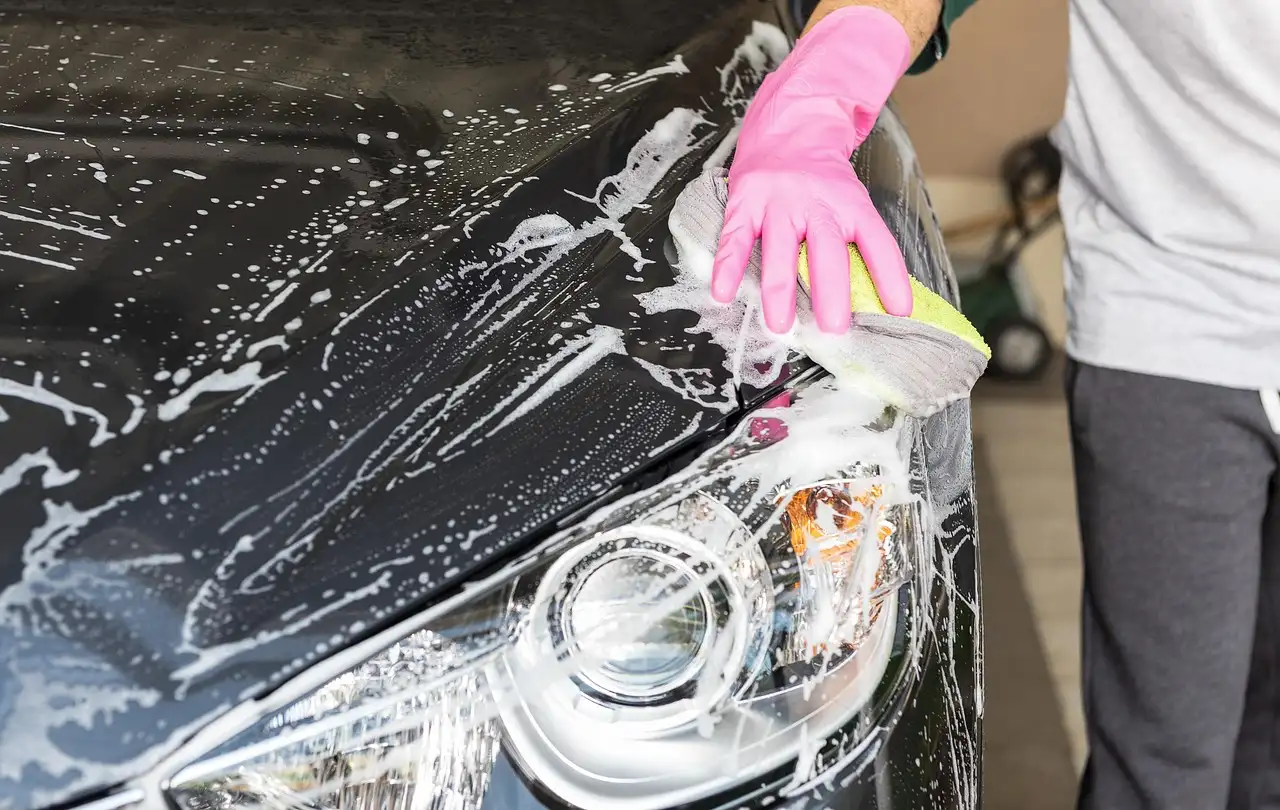
Use soap made for foam cannon use, not any random car wash soap. Foam-cannon-specific formulas are generally designed to atomize and cling properly, and concentration can affect both foam thickness and cleaning power. pH-balanced shampoo is commonly preferred because it is gentler on paint and on protection layers.
Some foam soaps are also made to be safe on waxes, sealants, and ceramic coatings. That matters because the goal is to clean without stripping the protection you want to keep. A compatible snow foam should clean road film while staying within the limits of the finish and its protective layer.
Foam-cannon-specific soap versus generic soap
Foam cannon soap is not the same as regular bucket soap. A bucket shampoo may clean well by hand, but still fail to produce the dense, even blanket of foam a cannon is meant to lay down.
That is why soap choice changes the result so much. Some formulas create better coverage, while others rinse more cleanly or hold lubrication longer. The label matters because the product has to work with a pressure washer, not only with a wash mitt.
How dilution affects foam and cleaning power
Dilution controls the tradeoff between foam volume and cleaning strength. Too weak, and the cannon may make thin foam that runs off fast. Too strong, and you may waste product or leave residue if the rinse is poor.
The right ratio depends on the soap and the cannon’s pickup system. Follow the product directions first, then adjust within that range if the foam is too thin or too heavy. Do not assume more soap is always better.
A common first-timer mistake is filling the reservoir with extra soap because the foam looks impressive. That can reduce rinsing performance and leave more residue on trim, especially if the vehicle has tight panel gaps or textured plastic.
Will foam help protect paint?
Foam helps protect paint indirectly by improving lubrication and softening loose dirt before you touch the surface. That lowers wash-marring risk, but it does not make scratches impossible. The real protection comes from better pre-wash prep plus careful contact washing.
The foam stage is also where compatibility matters. pH-balanced shampoo is often preferred because it is gentler on paint, clear coat, metal, glass, and plastic trim, and compatible snow foams are made to avoid stripping waxes, sealants, and ceramic coatings.
What foam can and cannot do for scratches
Foam can reduce the chance of dragging grit across the clear coat. It cannot fix dirty mitts, poor technique, or a panel that still carries heavy abrasive debris after the pre-rinse.
So the answer is measured, not absolute. Foam can help prevent scratches on paint by lowering friction and lifting loose contamination, but it cannot eliminate scratch risk on its own.
Wax, sealant, and ceramic coating safety
Compatible snow foams are commonly made to be safe on waxes, sealants, and ceramic coatings. Honeydew Snow Foam is described as safe on paint, clear coat, metal, glass, and plastic trim, and it is presented as safe on waxes, sealants, and ceramic coatings.
That safety claim still depends on using the intended product, not an arbitrary soap. If the product is not labeled for those surfaces, do not assume it will preserve protection layers.
How to use a foam cannon the right way
Start with a rinse if the car has heavy loose dirt. Then foam the surface, let it sit briefly, and rinse again before the contact wash if the grime is still visible. Foam works best as a pre-wash stage, not as a substitute for the wash mitt.
After the foam stage, wash with a clean mitt and proper technique. Work from the cleanest panels to the dirtiest ones, and keep the mitt rinsed so you are not reintroducing grit. If the paint is only lightly dusty, the foam step may be enough to loosen the film before contact.
Step-by-step wash order
- Rinse off heavy loose dirt first.
- Fill the foam cannon with the correct foam soap and dilution.
- Apply foam evenly over painted surfaces.
- Let it dwell only as long as the product label allows.
- Rinse again if loosened dirt is still present.
- Wash by hand with a clean mitt and safe technique.
- Rinse, dry, and inspect for missed residue.
Suppose an SUV comes home with winter road film on the lower doors and rear hatch. A rinse-first wash removes the worst salt, foam softens what remains, and the mitt handles the final cleanup. That sequence is safer than letting the foam do all the work on dirty panels.
Frequently asked questions
What does a foam cannon do for car washing?
A foam cannon sprays thick soap foam over the vehicle before the contact wash. Its job is to loosen dirt, add lubrication, and cut the chance of wash marring when you touch the paint. It prepares the surface, but it does not replace hand washing or rinsing.
Can you put any car wash soap in a foam cannon?
No. Some soaps foam poorly, rinse badly, or behave unpredictably in a cannon. The safer choice is a foam-cannon-specific formula that is labeled for pressure-washer use and, when possible, for wax, sealant, and coating compatibility. Do not assume a bucket soap will perform the same way.
Does a foam cannon actually clean the car or just make foam?
It does both, but only partly. Foam helps loosen and lift dirt, which makes the later hand wash safer and more effective. On its own, though, it does not finish the job. You still need a rinse and contact wash to remove bonded grime.
Will a foam cannon help prevent scratches on paint?
It can help reduce scratch risk by improving lubrication and softening loose dirt before the mitt touches the surface. That said, it does not eliminate scratches. If the car is very dirty, or if the wash mitt picks up grit, the risk remains until the surface is rinsed clean.
Do you need a pressure washer to use a foam cannon?
Yes. A standard foam cannon attaches to a pressure washer, and compatibility depends on the washer’s output and connection type. Electric and gas pressure washers can both work, but the cannon has to match the machine and produce the right spray pattern for the soap you are using.
What kind of soap works best in a foam cannon?
A foam-cannon-specific, pH-balanced shampoo is usually the best starting point. It is gentler on paint, clear coat, metal, glass, and plastic trim, and many formulas are designed to be safe on waxes, sealants, and ceramic coatings. Concentration also matters because it changes foam and cleaning strength.
Is foam safe on wax, sealants, and ceramic coatings?
Often yes, if the product is labeled for that use. Compatible snow foams are commonly made to avoid stripping protection layers. Honeydew Snow Foam is described as safe on waxes, sealants, and ceramic coatings. Do not assume that safety applies to every soap on the shelf.