Monthly maintenance plan for ceramic coating in 20 minutes
Use a roughly 20-minute ceramic coating maintenance routine: about 5 minutes of rinse, about 10 minutes of pH-neutral wash and gentle drying, and about 5 minutes for spot checks and quick toppers. Skip it, and dirt, water spots, and weak water behavior build faster. This guide gives you a stopwatch-style monthly plan, minute by minute.
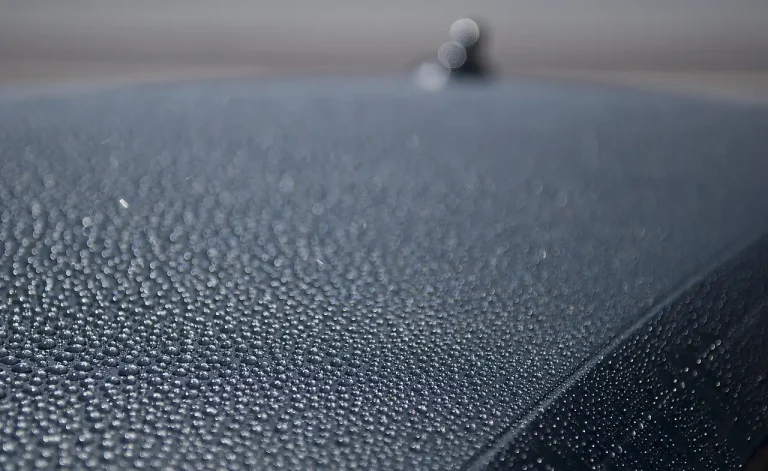
Ceramic coating still needs routine care. Its water behavior makes rinse water gather into beads and run off faster, and the coating is described as helping block UV rays, resist oxidation, and limit road contaminants and grime. That does not remove the need for washing. It simply means the right wash can be shorter and cleaner than a bare-paint routine.
Quick routine overview
Keep one rule in mind: a true maintenance wash is for cleaning and a quick finish check. Decontamination, polishing, and coating install work are separate jobs. If the car is only lightly dusty, you can finish on time. If the car has stuck-on contamination, water spotting, or bird droppings, the 20-minute plan becomes triage, not a full correction.
What you’ll need
- pH-neutral car shampoo. Use this for coated surfaces so you clean without stripping protection.
- Two wash buckets or a rinseless setup if approved for your coating. Keep the process fast and controlled.
- Soft wash mitt. Use a clean mitt with a low-friction face.
- Microfiber towel. Use a soft, low-lint drying towel for the final wipe to help prevent marring when it is clean.
- Maintenance spray. Use this for a fast after-wash refresh that adds slickness and helps water move off coated paint more quickly.
- Optional quick detailer or drying aid. Use this only if you want extra lubricity during drying or a last-pass finish.
- Wheel and tire basics. Only if they are visibly dirty enough to throw grime back onto the paint.
How do you maintain ceramic coating in 20 minutes?
Wash first, dry second, and inspect last. A 20-minute ceramic coating routine should clear loose dirt, remove fresh grime, and check whether water still beads and slides well. If the surface feels slick and dries fast, the coating is behaving normally. If not, stop chasing perfection and move to spot treatment or a longer wash.
- Rinse loose dirt off.
Spend the first 5 minutes removing dust and grit from top to bottom. A strong rinse reduces the chance of dragging debris across the coating during contact washing. - Mix shampoo correctly.
Fill the wash bucket with water and add pH-neutral car shampoo at the label rate. If the car is only lightly dusty, use a lighter wash mix and fewer passes rather than scrubbing harder. - Wash one panel at a time.
Use straight motions and light pressure. Work from the roof and upper panels down to lower panels, where grime collects fastest. - Rinse each section.
Do not let shampoo dry on the paint. Rinse after each panel if the weather is warm or windy, because drying residue can turn into spotting. - Dry with one microfiber towel.
Use a soft microfiber towel and blot or glide lightly. If water beads are still present, a quick drying aid or maintenance spray can help the towel move cleanly and reduce water spots. - Top up and inspect.
Apply about 1 to 2 sprays of maintenance spray per panel, then recheck. The goal is slickness, visible beading, and fast drying, not a wet gloss layer that takes longer to wipe down.
Ceramic coating worksheet
| Minute | Task | Tools | Decision rule |
|---|---|---|---|
| 0-2 | Quick inspection of paint, glass, and lower panels | Clean eyes, towel | Light dust: proceed. Moderate dirt: plan a fuller contact wash. Water spots: prioritize spot treatment first. |
| 2-5 | Rinse loose dirt and road film | Hose or pressure rinse | Skip extra pre-soak if only dusty. Use more rinse time if the lower doors are visibly dirty. |
| 5-12 | pH-neutral wash, panel by panel | Shampoo, mitt, bucket | Light dust: one pass. Moderate dirt: two mitt passes max on lower panels. Do not chase bonded debris. |
| 12-17 | Dry with microfiber towel | Microfiber towel, optional drying aid | If water sheets slowly, add a drying aid. If beads stay tight, dry and move on. |
| 17-20 | Maintenance spray and spot check | Maintenance spray, clean towel | Use only if slickness is dull or water behavior looks weak. Skip it if the panel already dries cleanly. |
Say your ceramic-coated doors have a light film of road salt after a short winter commute. A rinse, one gentle shampoo pass, and a towel dry can finish the job inside 20 minutes. If the same hood also has dried bird droppings, you should treat that spot first and accept that the rest of the car may wait.
What should you skip today?
If the car is only lightly dusty, skip the heavy add-ons. A 20-minute maintenance wash is enough for routine cleaning, but it is not the day for clay barring, polishing, or full decontamination. Those steps belong to a separate service window when bonded contamination or finish defects need attention.
- Skip decontamination unless needed.
Clay bar or chemical decon is for bonded contamination, not every wash. If the paint feels rough after rinsing and washing, that is a sign to schedule a deeper cleanup. - Skip abrasive towels and brushes.
Use soft microfiber only. Harsh towels can mar the finish and work against the easy-to-maintain behavior the coating is meant to provide. - Skip polish and sealant layers.
A quick maintenance wash is not the same as a correction session or a full sealant application. Add those only when you have time and a clear reason.
Suppose the car is coated, lightly dusty, and the doors are clean enough that water still beads strongly on the hood. In that case, the fastest path is a rinse, a pH-neutral wash, a dry wipe, and an optional maintenance spray. Do not add steps because the routine feels too short.
How do you handle water spots fast?
Water spots need quick action because mineral-rich water can mark coated paint after the car dries. Start with the least aggressive fix: fresh water, a clean microfiber towel, and immediate drying. If the spots are still visible, move to a spot-safe cleaner made for coated surfaces before the mark has time to harden.
- Rinse the spot area.
Use clean water to re-wet the affected panel. This can soften fresh residue and lower the chance of grinding minerals into the coating. - Dry immediately.
Use a microfiber towel with light pressure. Do not let the panel air-dry again, especially in sun or warm wind. - Apply spot treatment.
If the mark remains, use a product safe for coated paint and follow its label directions. Wipe once, inspect, then stop if the spot clears. - Escalate if needed.
If spotting stays after the panel is cleaned and dried, the issue may be more than surface residue. Schedule a longer wash or professional inspection rather than scrubbing harder.
Prevention: Dry the car as soon as possible after rinsing, especially on glass, hood edges, and lower doors where water lingers longest.
Common mistakes
- Using harsh soap. Strong cleaners can work against the coating’s easy-to-maintain finish. Stay with pH-neutral shampoo for routine washing.
- Letting water air-dry. Air drying invites mineral spots. Dry with a clean microfiber towel before the panel bakes in sun or wind.
- Chasing bonded dirt with more pressure. If a spot does not move, do not scrub harder. That is the moment to switch to decontamination or a longer wash.
- Adding every product every time. Maintenance spray is useful, but it is not required after every wash. Use it when slickness or water behavior looks weaker than usual.
- Ignoring bird droppings. Droppings can sit on the surface and become harder to remove. Rinse and clean them as soon as possible.
- Using a dirty towel. A contaminated towel can leave marring and dull the finish you were trying to preserve.
Here is the practical standard: after the wash, the paint should feel slick, water should bead and slide, and drying should be fast. If that standard is met, the 20-minute routine did its job. If it is not met, the car needs a longer wash or inspection rather than another quick pass with the same tools.
Frequently asked questions
What should I do in a quick ceramic coating maintenance wash?
Rinse the car, wash panel by panel with pH-neutral shampoo, dry with a clean microfiber towel, then inspect the finish. If the surface still feels slick and water beads well, you are done. If not, add a maintenance spray or schedule a deeper wash later.
Can I maintain ceramic coating without a full detail?
Yes. A maintenance wash is the right tool for routine upkeep, especially when the car is lightly dusty or only mildly dirty. Save decontamination, polishing, and correction work for separate sessions. The goal is to keep water behavior active, not reset the whole finish every month.
How often should I wash and inspect a ceramic coated car?
A monthly check works for many drivers, but dirty weather, tree sap, bird droppings, or winter road film can shorten that window. Inspect sooner if water stops beading cleanly, if the car feels rough after washing, or if spotting appears after each rinse.
Do I need a ceramic coating maintenance spray after every wash?
No. Use maintenance spray when the finish needs a boost in slickness or water behavior, or when you want extra help during drying. If the coating still beads and slides cleanly after the wash, you can skip it and save time.
What not to use on a ceramic coated car?
Avoid harsh soaps, abrasive towels, and unnecessary decontamination during routine washing. Do not use rough sponges or old bath towels. For maintenance, stick with pH-neutral shampoo, a soft microfiber towel, and a maintenance spray made for coated surfaces only when needed.
Can automatic car washes damage ceramic coating maintenance results?
They can. Touch washes with stiff brushes or dirty wash media can leave marring and weaken the clean, slick feel you want from coated paint. If you use an automatic wash, choose the least aggressive option and follow it with a hand dry or a quick inspection.
How do I keep a ceramic coating hydrophobic between washes?
Keep the surface clean, dry the car fast, and remove fresh contamination before it sits. A quick rinse after heavy rain, followed by towel drying, helps preserve beading. If beading slows down, use a maintenance spray as a top-up rather than waiting for grime to build.