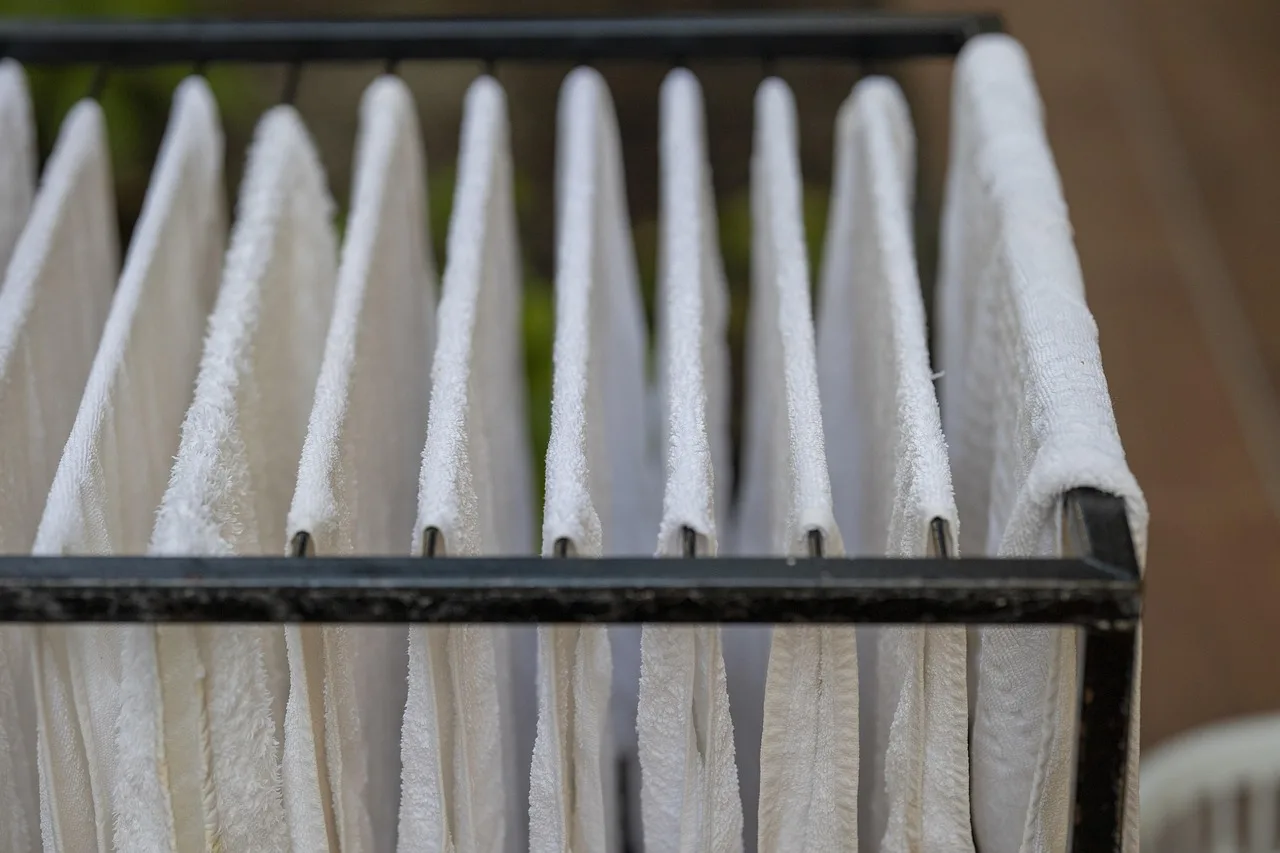
Drying towels for cars: How to choose and use them
Choose a high-GSM twisted-loop microfiber drying towel sized to your vehicle: about 20×24 inches for cars, 25×36 or larger for SUVs and trucks, with lower-pile microfiber reserved for very soft paint or rinseless drying. The wrong towel can leave marring, lint, water trails, and extra contact that slows the job. This guide covers towel types, sizing by vehicle, paint-safe use, and care steps that keep drying fast and streak-free.
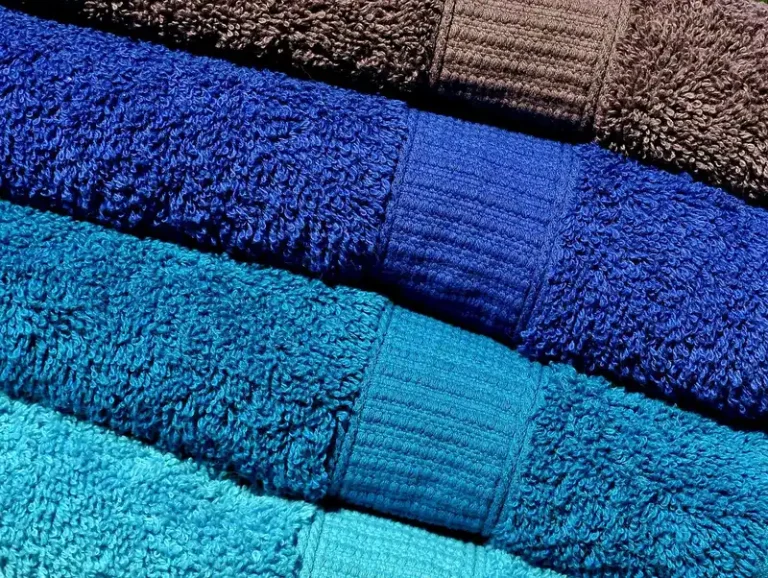
Purpose-made automotive microfiber is the default starting point because it is built for painted panels, with absorbent split fibers, low lint, soft contact points, and machine-wash care. Professional detailers typically use a microfiber car drying towel, and that matters because household towels may leave lint or feel too rough on paint. Material alone does not decide the result, though. Towel size, edge construction, cleanliness, and how you blot, fold, and glide the towel across wet panels all affect how safely it moves.
What makes a good drying towel?
A good drying towel balances water pickup, paint safety, and control. The best choice is usually a clean automotive microfiber towel with soft fibers, paint-safe edges, and enough capacity to finish a section without dragging. If the towel lints, grabs, or saturates too quickly, drying slows down and the risk of marring goes up.
Paint-safe contact
For paint, the contact points matter more than marketing language. Look for purpose-made automotive microfiber with a soft face, low lint, and either an edgeless design or a soft stitched edge. Repeated passes make edge quality matter because the edge often touches panel peaks, mirror caps, and sharp body lines first.
Plush pile can feel very gentle on paint. Twisted-loop towels usually glide with less surface drag when they are clean and still have capacity. Waffle-weave towels have a lighter feel and often work especially well on glass and mirrors where a bulky towel can bunch up.
Absorbency versus control
Some drying towels claim up to a gallon of absorbency. High capacity helps on large vehicles because a roof, hood, and long side panels can load a small towel quickly, so fewer wringing stops or towel swaps mean fewer total passes over the paint. But very high capacity can come with extra weight once the towel is loaded, and that changes control on doors, pillars, and lower panels.
A towel that is too thick for the job can feel clumsy around badges, trim, and tight glass corners. A towel that is too small may stay manageable but force more passes and more pressure. The sweet spot depends on the job, not just the fiber type.
Why lint, drag, and saturation matter
Lint is visible. Drag is felt. Saturation often shows up as a sudden drop in pickup, followed by water trails left behind after each pass. Those signs tell you the towel is either overloaded, contaminated, or mismatched to the panel size and amount of standing water.
Say your compact sedan is mostly dry after a blower pass, but the roof still has beads. A medium microfiber towel can finish that safely. Put the same towel on a full-size SUV after a flood rinse, and it may load up halfway across the hood and start smearing water rather than lifting it.
Which towel type fits your drying style?
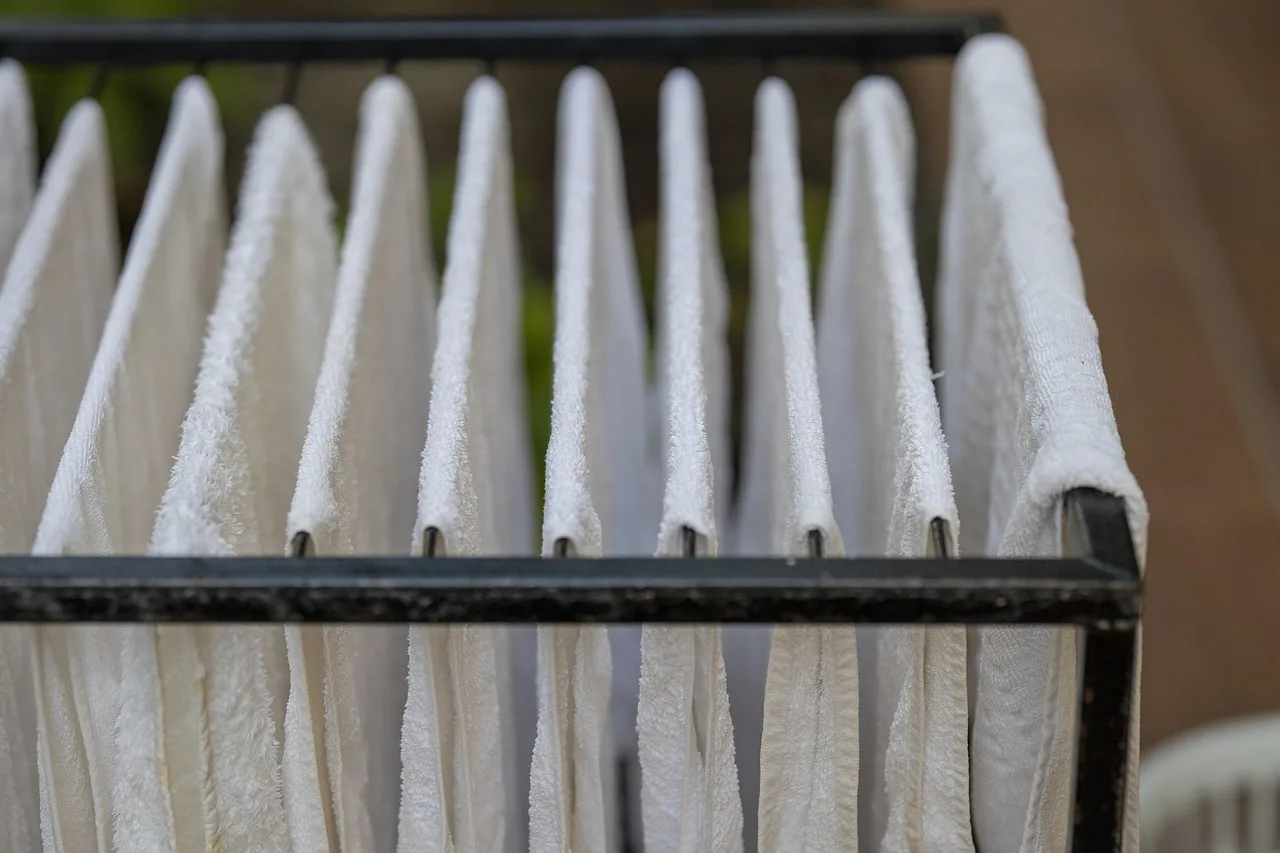
The best towel type depends on the job: a weekly maintenance wash, a quick post-rain wipe-down, or full wash drying. Twisted loop favors speed and capacity, waffle weave favors control and glass, plush favors a softer paint feel, and PVA-style towels favor compact storage and fast pickup.
Twisted-loop microfiber
Twisted-loop microfiber is the usual choice for fast water pickup. The loop structure gives it very high absorbency, which is why it is common in larger drying towel formats for SUVs and trucks. It also tends to cost more than basic plush towels.
Examples on the market show how wide the category runs. Walmart lists The Rag Company Liquid8r M22 as 2200gsm and 20in x 20in. Walmart also lists a Lafati towel described as 1300GSM double twisted loop, and Tripletts lists a KKV Full-Sized SUV Drying Towel at 48″ x 24″ and 1400 GSM.
Use twisted loop when speed matters and the vehicle carries a lot of standing water. If paint is very soft, reduce pressure and keep the towel fresh and clean, because a loaded heavy towel can still mar if grit is trapped in the fibers.
Waffle-weave microfiber
Waffle-weave microfiber has a lighter, flatter feel than thick plush towels. It tends to drag less on glass, mirrors, and tight sections, and it often comes in smaller sizes that are easier to steer around trim. That makes it a strong second towel even when a larger twisted-loop towel handles most paint drying.
It is usually not the first pick for drying a full-size truck in one towel. It is, however, very useful for side glass, rear glass edges, mirror housings, and final touch-up passes where control matters more than maximum capacity.
Plush microfiber towel
Plush microfiber towels have a soft pile and a paint-safe feel that many owners prefer on dark paint or softer finishes. They can hold significant water, but the pile can create more drag than twisted loop when the towel becomes loaded.
Plush towels make sense for maintenance drying, touch-up drying after a rinseless wash, or smaller vehicles where the towel does not need to absorb a huge volume all at once. Keep them away from dirty lower rocker areas unless they are already demoted from paint duty.
PVA shammy / chamois-style towel
PVA shammy or chamois-style towels are synthetic alternatives with compact storage and quick pickup. They feel different from microfiber. They can work well for fast post-rain wipe-downs or on glass, but they are less forgiving if dirt remains on the surface because they do not offer the same fiber depth as microfiber.
For that reason, PVA-style towels fit cleaner, lighter jobs better than full-contact drying on sensitive paint. If the vehicle was fully washed and rinsed well, they can still be useful as a secondary tool. They are not the default paint towel for most owners.
How do size and GSM change the result?
Size changes how many passes you need and how easy the towel is to control, while GSM describes towel density rather than total quality. A larger, denser towel can dry faster on big panels, but too much bulk can add drag, fatigue, and awkward folds on smaller cars.
Choosing towel size by vehicle and panel
Common drying towel sizes run from around 16×16 inches to 48×24 inches. Smaller towels suit panel-by-panel work, glass, and mirrors. Bigger towels suit hoods, roofs, and long door skins on SUVs, trucks, and vans.
Real product listings show that spread clearly. The same source lists The Rag Company Edgeless 300 as 300gsm and 16in x 16in. The same source lists The Rag Company Slim Dryer Towel at 25in x 35in. Tripletts lists the ExoForma Mega Car Drying Towel at 24″ x 36″ and 1200 GSM, while Tripletts says the Blackline towel is 2 ft x 3 ft and 1300 GSM.
For a sedan or coupe, around 20×24 inches is a practical starting point. For SUVs and trucks, a practical drying towel size is about 25×36 inches or larger. Very large towels work best on open panels, then a smaller towel can finish glass, mirror stalks, and jamb edges.
What GSM does and does not tell you
GSM is a microfiber density specification. In drying towels, product listings commonly range from roughly 300 to 1400 GSM, though some products may go higher. Higher GSM usually indicates thicker construction, but it does not automatically mean safer, softer, or better for every job.
Low-GSM towels are often lighter and easier to control. High-GSM towels often hold more water and feel more substantial. Neither number tells you edge quality, fiber blend, loop style, lint behavior, or how the towel behaves once wet.
When a thick towel helps, and when it adds drag
A thick towel helps when the panel is flooded and the vehicle is large. It hurts when the towel becomes heavy and you start pulling it with more pressure across soft paint. On maintenance washes, a medium or lower-pile towel may leave a cleaner finish because it stays easier to manage.
Picture a black coupe washed weekly and dried with a massive 48″ x 24″ towel. The towel has plenty of capacity, but the bulk bunches at the A-pillars and around the mirrors. A smaller plush or waffle-weave towel often gives better control there, even if a larger towel would win on roof speed.
How should you choose for your vehicle?
Choose by vehicle size, how often you dry it, and how sensitive the finish is. Smaller cars can use medium towels without losing efficiency, while SUVs, trucks, and vans usually benefit from larger twisted-loop towels. Soft or dark paint often favors gentler contact, better edges, and lighter towels changed more often.
Sedans and coupes
These vehicles usually do well with one medium drying towel plus one smaller secondary towel. A twisted-loop towel around the 20×20 to 25×35 range can handle most of the body, while waffle weave or a small plush towel can finish glass and lower-volume residue areas.
If the car is washed weekly and carries little standing water, plush microfiber becomes more attractive. You gain control and a soft feel, and you are less likely to be wrestling an oversized towel on small panels.
SUVs and crossovers
SUVs ask more from the towel because of roof area, vertical side panels, and more total water. A large twisted-loop towel is often the main tool here. A second medium towel prevents the first one from reaching overload halfway through the vehicle.
For crossovers with sensitive dark paint, one large towel for upper panels and one softer medium towel for finishing passes is often the safer split. That reduces the temptation to keep dragging a saturated heavy towel.
Trucks, vans, and large vehicles
Large vehicles reward capacity. Towels in the 24×36 to 48×24 range reduce time and panel contact. The same source says the KKV Full-Sized SUV Drying Towel is 48″ x 24″ and 1400 GSM, which shows the kind of format aimed at full-size panels.
Do not force one towel to do the whole job if it loses pickup. A second towel for side glass, tailgates, and lower doors keeps the main towel cleaner and more effective.
Sensitive paint, dark colors, and soft finishes
On paints that mar easily, edge design and cleanliness move ahead of raw capacity. Edgeless or very soft-edge microfiber is worth prioritizing. Lower-pile microfiber or a softer plush towel can be easier to guide lightly across the surface than a very heavy towel loaded with water.
Frequent towel changes help. So does pre-drying with a blower or sheet rinse to reduce how much water the towel must lift.
Drying towel decision matrix
| Vehicle / use case | Drying frequency | Surface sensitivity | Primary towel type | Suggested size | Fallback option |
|---|---|---|---|---|---|
| Coupe or small sedan | Weekly maintenance wash | Normal paint | Plush microfiber or medium twisted loop | About 20×24 inches | Waffle weave for glass and mirrors |
| Coupe or small sedan | Weekly maintenance wash | Soft or dark paint | Soft-edge plush or lower-pile microfiber | 16×16 to 20×24 inches | Twisted loop only after blower or sheet rinse |
| Sedan or crossover | Full wash drying | Normal paint | Twisted-loop microfiber | 20×24 to 25×35 inches | Two medium towels instead of one oversized towel |
| SUV or midsize truck | Full wash drying | Normal paint | Large twisted-loop microfiber | 24×36 to 48×24 inches | Large plush towel plus waffle weave for glass |
| SUV or truck | Post-rain wipe-down | Normal paint | PVA shammy or waffle weave on clean upper panels | Medium size for control | Small plush microfiber for spot drying only |
| Van or full-size truck | Frequent large-vehicle drying | Normal paint | Oversized twisted loop plus secondary towel | 25×36 or larger | Two medium twisted-loop towels rotated panel by panel |
| Any vehicle | Rinseless or low-water drying | Soft or dark paint | Lower-pile microfiber or soft plush | 16×16 to 20×24 inches | Waffle weave for windows only |
Should you use one big towel or several smaller ones?
One big towel is faster on open panels and large vehicles, but multiple smaller towels often give better control, less fatigue, and cleaner contact on sensitive paint. The better setup depends on panel size, water volume, and whether the towel stays effective once partially saturated.
Efficiency and water capacity
A large twisted-loop towel can cover a hood, roof, and side glass with fewer folds. That saves time. It also puts its absorbency where it matters most, especially when the towel is fresh and the panels are still carrying large water beads.
But if one towel must do the entire vehicle, the back half of the job may happen with a towel that is already loaded. That is where water trails and drag start.
Control on curves, glass, and tight areas
Two medium towels are easier to keep flat and clean across mirrors, pillars, spoilers, and lower door edges. They are also easier to isolate by job: one for paint, one for glass and trim. That reduces cross-contamination.
A practical split-towel setup for large vehicles
For SUVs and trucks, two medium towels are often a balanced setup. It keeps speed on the large panels without sacrificing control elsewhere.
How do you use a drying towel without causing marring?
Use the towel only on a clean surface, keep pressure light, and switch before the towel becomes loaded or contaminated. Most marring comes from trapped debris, rough edges, over-pressure, or dragging a saturated towel. Safe drying is less about scrubbing and more about reducing total contact.
Safe drying on paint, glass, trim, and lower areas
- Rinse thoroughly first. Remove loose grit before the towel touches paint. If the wash left obvious particles or muddy runoff near the rockers, address those areas again instead of trusting the towel to handle them.
- Start with upper panels. Dry the roof, glass, hood, and upper doors before lower sections. Upper panels are usually cleaner, so the towel stays safer longer.
- Blot or glide lightly. On very soft paint, blotting or short straight passes reduce pressure. Let absorbency do the work rather than pushing the towel hard across the panel.
- Refold and inspect often. Rotate to a clean face as soon as pickup drops or a speck appears. A clean basic towel is safer than a contaminated premium towel.
- Switch for lower sections. Use a separate towel for bumpers, rocker panels, and the area behind wheels. Dirt concentration is higher there, even after a careful wash.
- Finish glass separately. Use waffle weave or a fresh microfiber for mirrors and glass to catch edge residue without smearing already-loaded fibers across transparent surfaces.
Suppose the towel starts to feel sticky halfway through drying a hatchback roof. Stop and swap towels rather than pulling harder. That change fixes two problems at once: it restores water pickup and avoids the extra pressure that often leaves faint towel marks on soft clear coat.
Why do drying towels streak, drag, or stop absorbing?
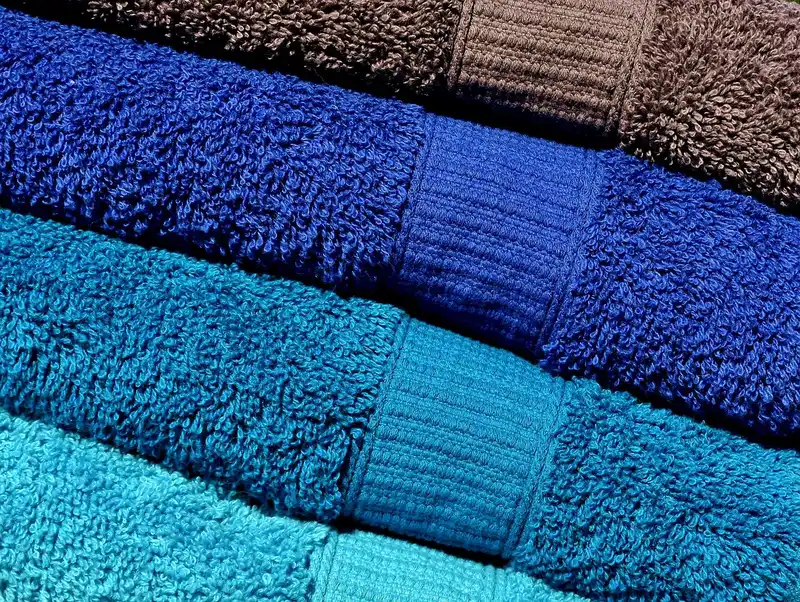
Streaks, drag, and weak absorbency usually come from one of five causes: detergent residue, fabric softener contamination, towel saturation, trapped debris, or damaged fibers from heat. Hard water minerals and leftover protection products can add smearing too. The visible symptom often points to the exact fix.
Detergent residue and fabric softener contamination
Microfiber-safe detergent matters because residue can block the fibers that should grab water. Fabric softener is worse. It coats microfiber, reduces absorbency, and often leaves the towel pushing water around instead of lifting it.
If a towel comes out of the wash smelling strongly perfumed or feeling slick, assume contamination first. Rewash before blaming the towel design.
Saturation, overload, and trapped debris
Once microfiber is overloaded, the towel stops collecting water efficiently. It may leave trails or require repeat passes. Trapped grit creates a different problem: the towel may still absorb well, but it feels rough and risks scratching the paint.
Large-vehicle drying exposes this quickly. A towel that works beautifully on the hood may be overloaded by the second side panel if the vehicle was not sheet-rinsed or blown off first.
Heat damage, mineral residue, and worn fibers
High heat can harden microfiber and collapse the softness that makes it paint-safe. Mineral-heavy water can leave the towel stiff or leave streaks on glass after drying. Worn fibers lose the spring and structure that help them pick up water cleanly.
If the towel was washed correctly but still streaks the same panel every time, check for embedded residue, edge wear, or permanent heat damage before returning it to paint duty.
When should you wash, retire, or replace a drying towel?
Wash a drying towel after every use on paint, and replace it when correct washing no longer restores softness and absorbency. Towels can stay in service for a long time, but stiffness, linting, edge wear, embedded debris, or persistent streaking are signs that paint duty may be over.
Care habits that preserve absorbency and softness
- Wash separately. Keep drying towels away from wheel towels, greasy shop towels, and linty household fabrics. Cross-contamination is one of the fastest ways to ruin paint-safe use.
- Use microfiber-safe detergent. Skip bleach, fabric softener, and dryer sheets. Those products can leave residue or damage the fibers that should absorb water.
- Choose low heat. Air dry or use low heat only. High heat can make microfiber feel stiff, reduce softness, and cut down water pickup.
- Store clean and enclosed. Put fully dry towels in a bin or cabinet where dust and grit cannot settle into the pile. A towel that starts dirty cannot be paint-safe, regardless of price or GSM.
Signs a towel can stay in paint duty
A paint towel should still feel soft, absorb quickly, and leave the surface clear rather than smeared. The edge should remain smooth, with no hardened stitching, fraying, or exposed tag remnants. If these conditions hold, the towel still has value even if it is no longer new.
Signs it should move to lower-risk tasks or be discarded
Move the towel out of paint duty if it feels rough, shows embedded debris that washing cannot remove, begins linting, or leaves persistent streaks after proper washing. Discard it if the edge is damaged, the fibers are matted, or contamination cannot be trusted out.
Cost per use matters here. A more expensive towel can make better sense than a cheap multipack if it remains absorbent, soft, and washable over many cycles. A bargain towel that loses pickup quickly or needs early retirement often costs more per wash in practice.
Drying towel mistakes table
| Mistake | Visible symptom | Fix |
|---|---|---|
| Using a saturated towel too long | Water trails after each pass, rising drag | Swap towels sooner or wring if the towel type allows it; reduce standing water first |
| Washing with fabric softener | Towel pushes water, smeary finish, slick feel | Rewash with microfiber-safe detergent and no softener; retire if absorbency does not return |
| Drying on high heat | Stiff feel, reduced softness, weak pickup | Use low heat or air dry from then on; demote if texture stays rough |
| Using one towel for paint and lower dirty areas | Random marring, visible grit in the pile | Separate upper-body and lower-body towels immediately |
| Choosing an oversized towel for a small car | Bunching around mirrors and pillars, uneven pressure | Use a medium towel for paint and a smaller towel for glass and trim |
| Using a small towel on a large SUV | Constant wringing, repeat passes, slow drying | Move up to a larger twisted-loop towel or use two medium towels in rotation |
| Ignoring detergent residue or mineral buildup | Streaks on glass and dark paint after correct technique | Rinse more thoroughly in the wash cycle and check wash water quality |
| Dragging trapped debris | Sudden scratch or rough feel on one section | Stop, inspect, refold or replace the towel, and rewash before reuse |
Frequently asked questions
What type of towel is best for drying a car?
For most vehicles, a purpose-made automotive microfiber drying towel is the safest place to start. Twisted-loop microfiber usually gives the fastest water pickup for full wash drying, while plush microfiber suits gentler maintenance work and waffle weave works well on glass and mirrors.
How do I choose the right drying towel size for my car?
Match size to panel area and water volume. Smaller cars usually work well with about 20×24 inches, while SUVs and trucks benefit from 25×36 or larger. Add a second smaller towel for glass, mirrors, and tight sections where a large towel becomes awkward.
Is twisted loop or waffle weave better for drying?
Twisted loop is usually better for pulling large amounts of water off paint quickly. Waffle weave is often better for glass, mirrors, and final detail work where control matters more than raw capacity. Neither wins every job; the vehicle size and panel shape decide it.
Can a microfiber drying towel scratch paint?
Yes, if it is dirty, overloaded, heat-damaged, or finished with rough edges. Microfiber itself is paint-safe when clean and used lightly, but trapped grit, extra pressure, and dragging a saturated towel can still leave marring, especially on soft dark paint.
Why does my drying towel leave streaks?
Common causes are detergent residue, fabric softener contamination, towel saturation, hard water minerals, or leftover protection product on the paint. If the towel keeps streaking after a proper wash and rinse cycle, inspect for worn fibers or contamination trapped in the pile.
How often should I replace a car drying towel?
Replace or demote it when it turns stiff, begins linting, loses absorbency, shows edge wear, traps debris that washing cannot remove, or keeps streaking after correct care. There is no fixed calendar date; visible condition and drying performance are the reliable triggers.