Does spray on ceramic coating really work?
Yes: spray-on ceramic coating can improve gloss, water behavior, and make regular washing easier, but it does not stop rock chips or fix paint defects. Used badly, it can streak, haze, or waste time and product on poorly prepped paint. This guide explains what spray ceramics do, how long they last, how to prep and cure them, and where they fit in a DIY protection routine.
What spray ceramic coating can and can’t do
Yes, for the jobs it is made to do. On sound clear coat, a spray ceramic coating can leave a slicker finish, improve water beading or sheeting, and make regular washing easier by reducing how strongly grime sticks. It does not repair paint, stop impact damage, or hide defects that are already in the finish.
What it does well on daily-driver paint
For a daily driver, the main value is easier upkeep. A properly applied spray ceramic coating can make rinse water move off panels faster, leave less residue after washing, and keep dust from gripping as hard. Consumer product technical sheets commonly describe these products as maintenance aids for gloss, slickness, and easier cleaning, while neutral reviews from consumer-testing sources generally frame them as convenience products rather than permanent coatings.
Those claims only matter if the paint starts in good shape. On clean, dry, defect-free clear coat, the coating is more likely to lay evenly and leave a uniform finish. That is where the gloss and water behavior people expect usually appear.
What it will not do
Spray-on ceramic coating will not stop rock chips, erase scratches, or repair faded clear coat. It is not a substitute for paint correction when swirls and water spots are already visible, and it is not impact protection. If the paint is damaged before you apply it, the coating can preserve that damage under a shinier top layer.
A common first-timer mistake is spraying over a hood full of swirl marks and expecting the coating to hide them. The result is usually the opposite: the gloss can make defects easier to see, especially in direct light.
Ceramic spray matrix
| Vehicle condition | Expected result | Good fit? |
|---|---|---|
| New paint | Strong gloss, clear water beading or sheeting, and easier washing if the surface is clean and dry before application. | Yes |
| Swirled paint | Water behavior may improve, but swirls remain visible and can look sharper under the coating. | Only after paint correction |
| Daily-driver commuter | Useful for quicker washing, less dirt adhesion, and modest UV help between washes. | Yes |
| Garage-kept weekend car | Can hold gloss well and reduce wash friction if the car is maintained carefully. | Yes |
| Neglected clear coat | May streak, bond unevenly, or lock in defects; protection will be limited until the surface is corrected. | No, not first |
| Winter/salt exposure | Helps with cleaning and rinse-off, but salt still needs frequent washing and the coating will not stop corrosion by itself. | Yes, with upkeep |
| Do this first | Wash, decontaminate, dry fully, inspect in direct light, and correct paint if swirls, scratches, or water spots are visible before coating. | Required prep before coating imperfect paint |
Spray checklist
- Wash the vehicle thoroughly.
- Remove road film, tar, and residue with a proper prep wash or surface preparation spray.
- Dry the surface completely.
- Inspect the clear coat in direct light.
- Correct swirl marks, scratches, and water spots if they are visible.
- Work in a cool, dry, clean area.
- Use a microfiber applicator pad for controlled spread.
- Level and remove excess product with a microfiber buffing cloth before it hazes too hard.
How spray-on ceramic coating works
Most spray ceramics are silicon-based or SiO2-based products that leave a thin protective layer on the clear coat. That layer is meant to sit on a clean surface and change how water, dirt, and contamination interact with the paint. The effect is practical, not magical. Product technical data sheets commonly describe water-beading, slickness, and easier maintenance as the core benefits.
Hydrophobic barrier and water behavior
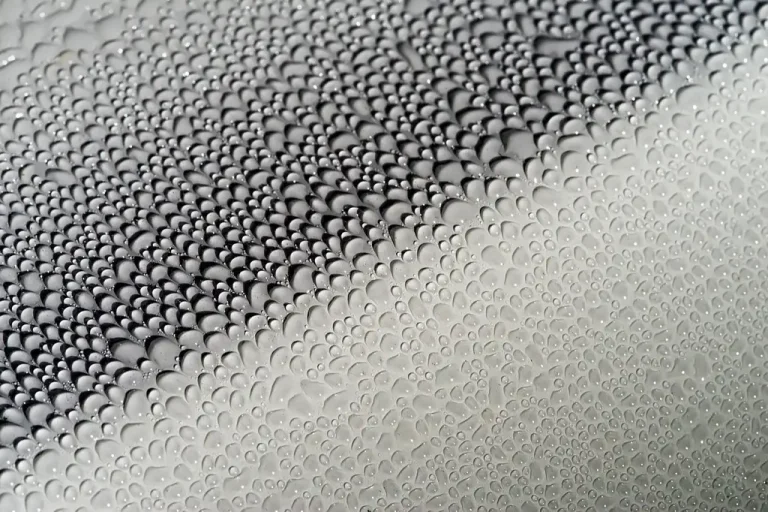
The main selling point is a hydrophobic barrier. Water tends to bead or sheet instead of spreading flat, and SiO2-based coatings are widely used for that reason. In plain terms, the surface resists wetting, so rinse water and some grime move off more easily.
That water behavior matters most during washing and drying. Less clinging water can mean fewer towel passes and less chance of leaving fresh marks behind. It also makes regular upkeep feel easier on a well-prepped car. Neutral chemistry references describe hydrophobic surfaces as having low surface energy, which is why water naturally pulls together and rolls off rather than spreading evenly.
Surface tension, dirt release, and gloss
By reducing surface tension, the coating can make dirt less stubborn. Mud, dust, and light traffic film often release with less scrubbing when the coating is intact. Gloss usually improves too, because a smoother, cleaner top layer reflects light more evenly.
Say your commuter sits outside all week near a busy road. After a normal rain, the lower doors still collect grime, but the coated roof and hood may rinse cleaner with less brushing, as long as the coating was applied to prepared paint.
Why clear coat prep matters
Clear coat is the base surface the coating bonds to or protects. It must be clean and dry before application, because anything left on the paint can block contact or create streaks. If swirl marks, scratches, or water spots are already there, the coating can lock them in visually.
That is why paint correction matters on imperfect finishes. A coating can sit over defects, but it will not flatten them. If the goal is a better-looking finish, correct the paint first and coat second.
Does ceramic coating need to cure?
Yes. Ceramic spray needs a curing period after application, which is the hardening or bonding stage where the coating settles onto the surface. During that time, moisture, rain, or aggressive washing can interfere with the finish and reduce how well the coating performs. Many consumer product instructions call for keeping the surface dry for a set period after application.
What curing means after application
Curing is the wait between finishing the application and exposing the car to water, soap, or heavy handling. The coating may feel dry to the touch sooner than it is fully bonded, so a product label matters here. Some coatings are ready faster than others, but none should be treated as fully finished the moment you wipe them down.
How long to wait before water or washing
The safe answer is simple: follow the label, then be conservative if the weather is damp. Avoid rain, dew, and washing during the initial cure window. If you cannot keep the car dry, the coating may cure unevenly or leave patchy gloss.
What can go wrong during cure?
Common failures include streaking, high spots, and uneven haze. Those usually happen when too much product is left behind, buffing is delayed, or the surface was not fully clean and dry. A weak prep step can also shorten how long the coating feels slick.
How long does spray on ceramic coating last?
Longevity varies widely. Consumer spray coatings are usually marketed as shorter-term maintenance products than full professional ceramic coatings, with claims that often run from a few months to around a year or more depending on the formula. Actual life depends on prep quality, parking exposure, climate, wash method, and what chemicals you put on top of it.
Why durability claims vary
A coating on garage-kept paint with gentle maintenance will usually outlast one on a salt-belt daily driver that sees harsh winter washing and strong detergents. The product’s label matters, but so does how well the surface was prepared before it went on. Bad prep often shortens useful life more than the bottle suggests.
What shortens or extends life
Shortening factors include dirty application conditions, skipped paint correction on rough paint, aggressive wash mitts, strong cleaners, and frequent contact with residue-heavy quick detailers. Extending factors include careful wash technique, regular drying, and keeping the surface free of contamination.
Suppose a car is coated in spring, parked outside, and washed with a harsh cleaner every other week. The coating may still bead water, but that behavior can fade much sooner than the label’s best-case claim.
When reapplication makes sense
Reapply when water behavior weakens, the surface no longer feels slick after washing, or dirt starts clinging the way it did before coating. For a commuter that lives outdoors, that may happen much sooner than for a weekend car. The right interval is the one the finish is actually asking for.
Can you use detail spray on ceramic coating?
Sometimes, yes. A compatible detail spray can be used on top of ceramic coating for light dusting, fingerprint cleanup, or extra slickness, but it should be residue-light and label-safe for coated paint. Some quick detailers can mute water behavior or shorten performance if they leave films behind.
When detail spray is fine
Use it when the car only needs a light wipe and the product says it is safe for coated surfaces. A clean, low-residue detail spray can help remove fresh dust without forcing a full wash. That is useful between maintenance washes on a well-kept daily driver.
When it can interfere with water behavior
Detail sprays with heavy gloss agents, wax content, or oily residue can leave a film that changes how water sheets or beads. The coating is still there, but its surface behavior can look weaker. If the hood suddenly stops shedding water cleanly after a wipe-down, the detail spray may be part of the reason.
Safer maintenance habits
Choose a maintenance product meant for coated surfaces, use it sparingly, and inspect the finish after it flashes. If the goal is maximum coating behavior, plain rinsing and proper washing are often better than adding more products between washes.
Where spray coatings fit best
Spray-on ceramic coating fits best as maintenance protection for paint that is already in good shape. It is a strong choice for new paint, well-kept daily drivers, and garage-kept cars that need easier washing and modest UV help. It is less useful on neglected finishes that still need correction.
New paint and garage-kept cars
New or freshly corrected paint is the easiest place to see the coating work well. The surface is cleaner, the finish is more even, and the coating can bond without fighting old residue. Garage-kept cars also benefit because the coating is less likely to be worn down by constant weather exposure.
Daily drivers in rain, dust, and salt
For a daily driver, the coating can reduce how stubborn road film feels and make wash day faster. That is real value. Still, winter salt and constant grit mean you need regular washing, not a one-and-done coating.
Wheels, vinyl, and plastic trim
Some spray coatings are safe on paintwork, carbon fibre, metal components, wheels, vinyl, and rigid plastic trim. Muc-Off lists those surfaces and includes a 15ml ceramic coating, a 50ml surface preparation spray, a microfibre applicator pad, and two buffing cloths. It also says to work in a cool, dry, clean area and dry the surface completely before starting.
Use only on the surfaces the label allows. Wheels collect heat and brake dust. Trim and vinyl can react differently than paint, so the product directions matter more there.
What the product can and cannot replace
Some ceramic sprays market themselves as easier, cleaner alternatives to wax. That comparison is fair only in a narrow sense: they can be simpler to maintain and more durable than basic waxes, but they still need prep, cure time, and periodic reapplication. They do not replace paint correction, and they do not replace impact protection.
Different ceramic technologies are built for different jobs. Automotive spray coatings are designed for paint protection and easier cleaning, while thermal ceramics are engineered for heat management in very different environments, so those use cases should not be confused.
Frequently asked questions
Does spray on ceramic coating work on car paint?
Yes, if the paint is washed, dried, and in decent condition before application. It can add gloss, improve water beading or sheeting, and make washing easier. It will not hide deep defects, stop chips, or repair faded clear coat.
Is spray ceramic coating better than wax?
Often, yes for maintenance, water behavior, and longer-lasting surface protection, but only if the paint is prepped and the coating is applied correctly. Wax is easier to understand and can look good quickly, but it usually needs more frequent renewal.
What happens if you apply ceramic spray over existing swirls or water spots?
The coating can lock those defects in visually and make them more noticeable under stronger gloss. Water spots may also interfere with bonding. If the finish already has visible defects, paint correction should come first.