Stored car dashboard care: Prevent dust and sun
For stored cars, dust the dashboard every 1–2 weeks and apply a thin, non-greasy UV protectant about monthly. Skip that, and dust binds to residue, glare rises, and UV can dry, fade, or haze the surface. This guide covers a low-residue storage routine, safe products, and cover choices that keep the dash ready to drive.
Why stored dashboards haze and fade
UV radiation drives fading, drying, and color change on dashboards. UV still reaches the dash through windshield glass, and direct sun can make damage happen faster, especially in outdoor storage or in spots with a long daily sun angle. Dust, humidity, and off-gassing add haze on top of that.
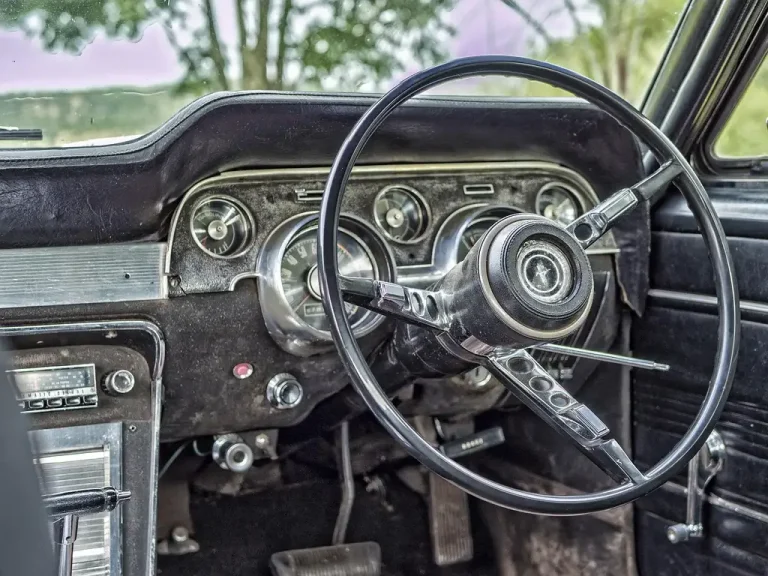
Soft-touch plastic, textured vinyl, matte trim, piano black trim, and leatherette or stitched dash covers do not age the same way. Matte and textured surfaces hide dust better at first, but they can show film sooner if product residue builds up. Piano black shows fine smears and lint fast.
What to do before storage
- Remove loose dust first. Use a clean microfiber towel in the 300–400 GSM range for dry dusting, and a soft dashboard brush for seams, vents, and grain lines. Lint-free construction matters because loose fibers can cling to piano black trim and leave a false haze.
- Clean only what is needed. If the dash has finger oils, sticky film, or a visible cleaner trace, use an interior-safe product on the towel rather than spraying the dash directly. This limits oversaturation, one of the main causes of streaks and residue on stored vehicles.
- Apply a thin protectant layer. Choose a UV protectant or interior protectant made for interior plastics and trim. Keep the finish matte or satin unless the surface already has a gloss finish that needs to stay matched.
- Check the storage space. Look for moisture, condensation, or a stale odor. Relative humidity matters in enclosed storage because it can contribute to haze, film, mildew risk, and interior odors when the car sits for long stretches.
Suppose a coupe sits in a garage for three weeks between drives. A dry microfiber pass may be enough if the dash still feels clean and the finish looks even. If the same car sits under a bright window and the dash looks slightly chalky, the next visit should include protectant, not just dusting.
Dashboard care checklist

This checklist is storage-specific. Use the row that matches how the car sits, then follow the recheck schedule instead of treating every vehicle the same way.
| Storage scenario | Before storage | Weekly or every 1–2 weeks | Use this finish or product | Watch for | Reapply or dry-dust? |
|---|---|---|---|---|---|
| Indoor garage storage | Dry-dust dash, vents, and the windshield base; apply a thin UV protectant if the vehicle sits more than a few weeks. | Dust every 1–2 weeks; inspect seams and piano black trim for lint and film. | Antistatic interior detailer for dust control; matte or satin UV protectant for plastics and textured vinyl. | Light dust film, dull haze, mild odor, streaking after touch. | Dry-dust if the surface still looks even; reapply protectant if the finish looks patchy or protection seems to have faded. |
| Outdoor covered storage | Clean and protect the dash, then add a windshield sunshade if the car gets sun through the glass. | Inspect weekly for dust ingress, condensation, and cover moisture. | Non-greasy antistatic detailer plus UV protectant with a matte or satin finish. | Dust at vents, haze on the top pad, shine from product buildup, cover dampness. | Dry-dust first; reapply protectant if the dash looks dry, uneven, or more reflective than before. |
| Uncovered street parking | Use a UV protectant before parking and place a reflective windshield sunshade after each drive. | Inspect every week if possible, sooner after hot sun or rain. | UV protectant matched to the dash finish; matte for low-glare surfaces, satin where a mild sheen is normal. | Cracking, fading, shine, sticky film, dust baked onto the surface. | Dry-dust if only loose dust is present; reapply if the dash looks dry, chalky, or the protectant no longer beads or wipes clean. |
Which products and finishes work best?
Use an antistatic interior detailer when dust attraction is the main problem. It should leave a non-greasy finish and stay safe for repeated use on plastics and trim. That matters for stored cars because a slick film can turn into a dust magnet faster than bare plastic.
Use a UV protectant or interior protectant when the car sits long enough for sun exposure to matter. The best choice adds UV screening and matches the surface finish: matte for low-glare plastics, satin for a mild factory look, and gloss only where the trim is already glossy.
Match the finish to the surface
- Soft-touch plastic: Choose a matte or satin protectant. Heavy gloss can make it look oily and can attract fingerprints during storage.
- Textured vinyl: Use a low-residue detailer or protectant that will not pool in the grain. Thick product tends to catch dust in the texture.
- Matte trim: Keep the finish matte. A shiny dressing changes the look and makes dust and streaks easier to see.
- Piano black trim: Use the least product possible, then buff with a clean microfiber towel. This trim shows smears, swirls, and lint more than other surfaces.
- Leatherette or stitched dash covers: Wipe gently and avoid wetting the stitching. Excess liquid can leave dark patches or residue in the seams.
A common first-timer mistake is using a glossy dressing on every dash panel because the surface looks dry after one day. That can work against storage care. Glossy film tends to hold dust, especially on piano black and around gauge bezels, where small streaks are easy to see.
How do you protect a parked car from sun?
For a parked car, the best sun defense is to cut direct solar load on the dash and steering wheel. A reflective folding windshield sunshade tends to help most when the car sits outdoors or in a bay with full front glass exposure. For longer storage, a properly fitted car cover or indoor storage cover can reduce airborne dust, but it must not trap moisture.
Use a sunshade the right way
- Place it against the glass. Set the windshield sunshade as close to the inside glass as possible so it blocks direct solar load before the rays reach the dashboard and steering wheel.
- Choose reflective coverage. A common folding reflective style works well for outdoor storage because it reflects heat and light away from the windshield area. Fit matters more than brand claims.
- Remove trapped moisture. If the cabin is damp or the glass fogs often, ventilate the car before installing the shade. A shade over a wet interior can hold humidity in place and contribute to haze or odors.
Can you leave a windshield sunshade in a stored car? Yes, if the interior is dry and the shade fits flat. No, if the car traps moisture or the shade sags and rubs the dash. A loose shade can mark the top pad and can leave a boundary line on dusty surfaces.
Use a cover only when fit and moisture allow it
- Select a breathable cover. For long-term storage, use a car cover or indoor storage cover that keeps dust out while still allowing moisture to escape. A plastic-tight wrap is a poor choice because it can trap condensation.
- Check the surface first. Make sure the car is dry before covering it. If the dash or glass feels cool and damp, let the cabin air out until the moisture is gone.
- Inspect after covering. Lift the cover periodically to check for damp spots, mildew smell, or dust that has worked inside. A cover should reduce dirt, not create a humid pocket.
How often should you inspect and re-dust?
For storage use, it is commonly recommended to inspect the dash every 1–2 weeks. Dry-dust only when there is loose dust and no visible film. Reapply protectant when the surface starts to look dry, dull, or uneven, or when the previous layer no longer wipes clean without streaking.
That schedule keeps residue from stacking up. It also avoids overworking the finish, which is how many stored cars end up with a shiny film on top of matte plastic and a dusty edge near vents and gauges.
Decision rule for maintenance
- If the dash has loose dust only, use a dry microfiber towel and a soft brush.
- If the dash feels slick, cloudy, or grabs lint, use an antistatic interior detailer and buff dry.
- If the surface looks dry or the UV layer has faded, apply a thin protectant coat after dust removal.
- If haze keeps returning after normal care, check humidity, off-gassing sources, and product residue before adding more product.
Picture a sedan parked under a shaded carport with the windows closed. After two weeks, the dash has a light dust film but no tacky feel. That calls for dry dusting. If the same sedan has a cloudy band under the windshield after a humid spell, the better fix is a residue-free wipe, then a thin protectant layer once the surface is clean and dry.
What causes haze, shine, and residue buildup?
Too much product on textured plastic is a common cause of shine and trapped dust. The same problem shows up on piano black trim, where a thick layer leaves streaks, lint, and visible swirls. Layering one product over another without cleaning the old film first usually makes the dash look worse, not better.
Haze can also come from off-gassing, cleaners, humidity, or dust. In parked cars, that cloudy look often appears after repeated spray-and-wipe cleaning or after long periods in a closed cabin with poor air exchange. The fix is residue-free removal, not another coat of dressing.
Signs the dash needs a reset
- Glossy patches on matte plastic.
- Dust that sticks after one day.
- Cloudy film on the windshield base or top pad.
- Streaks that return after buffing.
- Cracking, dry feel, or color change on exposed sections.
When those signs show up, stop layering products. Clean the surface gently, dry it fully, and restart with a thin coat matched to the material. That is the fastest way to get back to a stable storage finish.
Frequently asked questions
How do I keep dust off my car dashboard while it’s stored?
Use a clean microfiber towel every 1–2 weeks and a soft brush for vents and seams. If the dash already has a thin film, add a non-greasy antistatic interior detailer after dust removal. The goal is to cut dust attraction, not leave a wet-looking layer that catches more debris.
What’s the best way to stop dashboard haze in a parked car?
Start with residue-free cleaning, then control humidity and off-gassing sources inside the cabin. Haze often appears when moisture, dust, or old cleaner film builds up over time. A thin UV protectant can help after cleaning, but adding more product over haze usually makes the finish worse.
Should I use a dash protectant before long-term storage?
Yes, if the car will sit for weeks or longer. Choose a protectant made for interior plastics and trim with a matte, satin, or gloss finish that matches the surface. Apply it thinly after dry dusting so it screens UV without creating a greasy film that holds dust.
How do I prevent sun damage on a dashboard without driving often?
Use a windshield sunshade whenever the car sits in direct light, and keep the dash coated with a suitable UV protectant. UV radiation still passes through windshield glass, so indoor storage is not enough by itself if the car has long sun exposure through the front glass.
What product is safe for matte dashboard plastics in storage?
Choose a matte interior protectant or antistatic interior detailer labeled for interior plastics and trim. Avoid shiny dressings on matte panels because they can change the appearance and collect dust. A low-residue finish is the safer choice when the car will sit between drives.
How do I stop sticky residue and film from forming on the dash?
Use less product, wipe it evenly, and buff off any excess with a 300–400 GSM microfiber towel. Do not spray directly onto the dash. If residue is already present, clean it off before adding another layer, or the film will keep building on textured plastic and piano black trim.